What to do if a dog has a lump under the skin
Dog skin lumps: causes. Is a lump under the skin dangerous and how to treat it. What does the location of the lump mean. Read more.
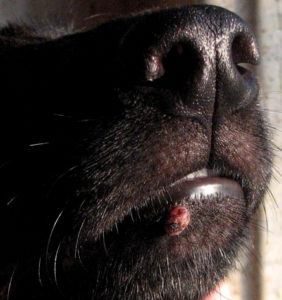
Origin of Skin Lumps in Dogs
The presence of lumps in a pet's soft tissues can only be detected through visual examination and palpation. There are various factors that can lead to the appearance of lumps. These may result from:
- infections of the subcutaneous tissue by viruses and bacteria;
- splinters;
- insect bites;
- bruises and injuries;
- the body's reaction to vaccination;
- internal ruptures of blood vessel walls after surgery;
- spinal hernias;
- malignant and benign subcutaneous formations. If lumps appear on a dog's body locally, their location indicates fundamentally different causes. For example:
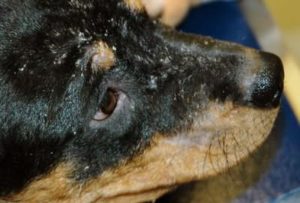
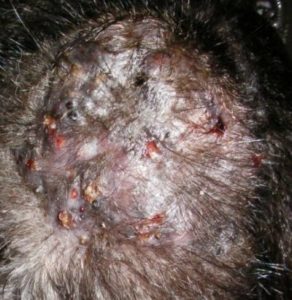
- papillomas are more common on the head and back. They affect short-haired and smooth-haired pets.
- a tumor of the mammary glands (in females) or an insect bite may occur on the abdomen.
- inflammation of the salivary gland may occur on the neck.
- an inflammatory process of the anal glands may occur under the tail.
Is a Skin Lump Dangerous for Dogs?
As you can see, it is not possible to definitively determine the causes of lumps on a pet's body. Therefore, a uniform treatment approach cannot be applied. Each case needs to be considered individually and under the mandatory supervision of a veterinarian. Any lump must be clearly differentiated. Lumps are divided into two categories: cancerous and non-cancerous. While it is worth being concerned about a bump on a dog's skin, panicking is never advisable. Not all lumps on a dog's body are potentially malignant. Benign tumors include:
- Sebaceous cyst. It forms due to the blockage of sebaceous gland ducts. This lump consists of a buildup of dead cells, sebum, and fluid. In most cases, a sebaceous cyst ruptures on its own. After healing, there are usually no scars left in that area. However, if the wound gets infected, the ruptured cyst may become chronic. It is worth noting that some dog breeds (such as Cocker Spaniels) are predisposed to sebaceous cysts.
- Wart.
- Follicular cyst. It develops due to skin trauma (sunburns, wounds) or as a result of follicular inertness. It is not dangerous until it becomes contaminated with pathogenic bacteria. In case of bacterial infection, further blood contamination is possible.
- Hematoma. Blood vessel walls may rupture after bruises, surgeries, or injuries. Blood accumulates under the skin, resulting in a red lump due to a blood clot. This skin deformation usually resolves within a few days.
- Lipoma. A benign growth that appears in muscle connective tissues or under the skin. These subcutaneous lumps in dogs may increase in size. However, a large lump caused by a lipoma does not harm the dog, except for some discomfort.
How to Treat Skin Lumps on Dogs
It is not possible to definitively say what a veterinarian will do with subcutaneous lumps in dogs. Immediate removal of lumps is not always reasonable, possible, or necessary. Before a specialist prescribes treatment, be prepared to undergo diagnostics. This may include:
- taking smears or imprints;
- biopsy;
- computer tomography;
- radiography. If you find a lump on your dog's body, consult a veterinarian. Undergo diagnostics and receive appropriate treatment for your pet. Timely response to the problem can save the life of the beloved family member.