What to do when a dog has dandruff? Causes and treatment.
Often, the cause of an external symptom is internal processes in the body, a lack of vitamins, or an autoimmune attack.
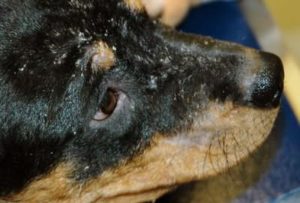
Main Reasons Why a Dog Develops Dandruff
Intense dandruff in dogs indicates poor skin condition. Often, the cause of this external symptom is internal processes in the body, vitamin deficiencies, or autoimmune attacks. However, more often than not, the issue lies in dermatological problems that can be resolved with comprehensive treatment.
- Excessive Sebum Production: It is normal for a dog to have itchiness and dandruff if there is a lot of sebum on the skin. This can happen in the summer or winter when a lot of secretion is produced. You may notice flakes and intense scratching. This can be resolved by using a shampoo that regulates sebum production. Additional factors to consider:
- Skin dryness due to temperature changes. Dead flakes should be removed by brushing, and the skin should be moisturized with cosmetic products. Also, move the bedding away from heat sources and humidify the air in the house.
- Vitamin deficiencies. This can be triggered by an unbalanced diet: avoid giving sweet, salty, fatty, and spicy foods. Dogs need food that matches their activity level and contains necessary vitamins.
- Shedding. A seasonal phenomenon, dandruff will disappear as it appeared. To prevent it, bathe the dog 2-3 times with a suitable shampoo.
- Parasites. If a dog has dandruff, hair loss, wounds, or rashes, a parasite may be the cause. They should be eliminated with drops or a collar.
- Diseases. Dryness can be observed in cases of eczema, diabetes, or hormonal imbalances. A full diagnosis and examination by a veterinarian are necessary to address the issue with medication.
Stress can also be a cause. Even momentary fright can affect the condition of the dog's skin. Therefore, the problem should be addressed comprehensively: using calming methods, eliminating stressors, and using cosmetic products.
Skin problems can arise from dermatitis and allergies. Bacterial agents can cause dryness, so treatment should be chosen carefully. For example, if bacteria can be eliminated, allergies are chronic and only the symptoms can be managed.
Do not confuse flakes from dead skin with flakes from fungal infections or ringworm. These conditions present with localized baldness, irritation of the upper skin layer, and sometimes discharge. In cases of regular dandruff due to diet or dry indoor conditions, hair loss does not occur in such quantities or uniformly.
What to Do When a Dog Develops Dandruff
The most effective remedy is a dandruff shampoo for dogs:

- Seborin;
- Nizoral;
- Doctor.
It is also recommended to use the spray "Stop-Itch." There are many cosmetic products available in pharmacies that can address excess sebum without being medicinal. Therefore, choose the one that solves the specific problem. Prevention is equally important: bathe the animal regularly, brush its coat, feed it well, and treat parasites.
Puppies should be bathed less frequently than adult dogs. Hard water can lead to dryness, irritation, and shedding in puppies. Use a brush with stiff bristles and remove dirt with a damp cloth. Limit paw and genital hygiene in dry weather.
After bathing, dry the dog with a towel. Small breed pets especially require care: they must be bathed and brushed unlike large dogs and mixed breeds.
Among the home remedies suggested for treating a dog's dandruff are birch tar and various moisturizing infusions. Today, you can purchase an inexpensive tar or chamomile shampoo if you prefer not to buy a specialized product. However, veterinarians recommend using only proven products to treat parasites to achieve the desired results.
Related Articles
Why a dog has shortness of breath. Causes and treatment of shortness of breath in dogs.
Rash on a Dog's Head - What to Do, Causes of Rashes, Treatment
Why is the dog foaming at the mouth. Causes of vomiting in dogs, what to do, treatment.