Dermatitis in Dogs: Types, Causes, Treatment. What to Do if Your Dog Has Dermatitis.
Dermatitis requires antibiotics or antibacterial therapy. The atopic type is the most difficult to deal with because it is hard to determine the cause.
Page Content
Types of DermatitisHow Flea Dermatitis Develops in DogsFeatures of Allergic Dermatitis in DogsWhat Seborrheic Dermatitis is in DogsMoist Dermatitis in DogsMain Symptoms of Dermatitis in DogsTreating Dermatitis in Dogs at Home Dermatitis is a characteristic skin reaction. It manifests as a rash, scaling. In veterinary medicine, it is not a separate disease, but a symptom. It indicates various disorders in the pet's body.
Types of Dermatitis
There are several main types. Not all of them are successfully treated at home, so when signs of the disease appear, it is better to consult a veterinarian. Interdigital Dermatitis in Dogs Caused by 3 factors:
- fungus;
- food or contact allergy;
- staphylococcus. Owners notice that the pet often licks its paws. Mycosis affects the interdigital spaces and nails, while allergies manifest with swelling, redness upon contact with the irritant.
How Flea Dermatitis Develops in Dogs
Also known as parasitic dermatitis. If a pet gets fleas, its body may react negatively to the parasites' saliva, their waste. This leads to parasitic dermatitis, which is easier to prevent with timely prophylaxis. For example, by using a collar and treating the skin against fleas and ticks.

Features of Allergic Dermatitis in Dogs
It occurs as a skin reaction to an irritant. Allergies can be triggered by: food, cosmetics, fabric, household chemicals, dust, pollen, etc. Symptoms usually disappear when the environment changes. Atopic dermatitis in dogs also falls into this group of diseases. It arises suddenly, without visible reasons. It is classified as autoimmune conditions, where the body attacks its own tissues. Another cause of its appearance is hormonal imbalance. It cannot be identified independently and does not respond to traditional allergy treatments. It often becomes chronic.
What Seborrheic Dermatitis is in Dogs
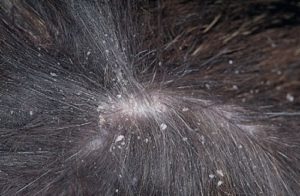
Seborrhea is the flaking of the upper layer of the skin. Primary seborrhea occurs for unknown reasons, while secondary seborrhea is a consequence of disruptions in the body, such as internal organ diseases. Completely getting rid of flaking is impossible. Existing medications help achieve remission and improve the pet's quality of life.
Moist Dermatitis in Dogs
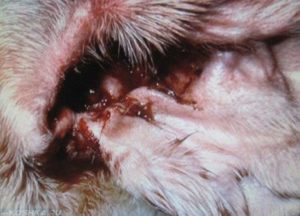
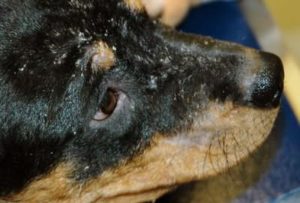
Breeds with folds are prone to it. The skin between the folds becomes moist, and bacteria multiply in this environment. This leads to inflammatory processes, secretions, and hair loss. In addition to the mentioned types, there are ear, yeast, periocular, and acral dermatitis. All skin diseases of this type have similar symptoms.
Main Symptoms of Dermatitis in Dogs
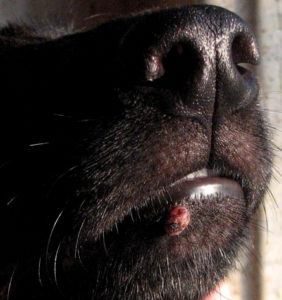
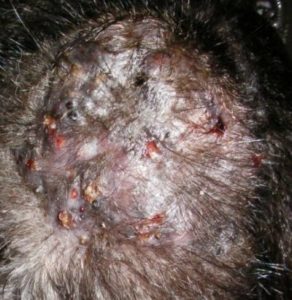
Local manifestations: itching, scratching, redness, blisters, swelling, hair loss. Small bald patches can merge and lead to total baldness. Crusts and discharge appear on the skin. Touching the area becomes painful or unpleasant. In the later stages, there may be bleeding, and ulcers may appear. Before prescribing a medication, the specialist conducts an examination and takes tests to accurately determine the type of disease.
Treating Dermatitis in Dogs at Home
You can independently combat:
- Flea dermatitis. To do this, get rid of parasites with a special shampoo or drops, use cosmetics to restore the skin and coat. Disinfect heavily affected areas, apply healing ointment.
- Allergy. Isolate the pet from the irritant. Symptoms are relieved with antihistamines. Follow the rules of hygiene in the premises.
- Seborrhea (in the early stages). Use special shampoos, regularly brush the dog, removing scales. Other types of dermatitis require antibiotics or antibacterial therapy. It is most challenging to deal with atopic dermatitis, as it is difficult to determine its cause.