Ear diseases in dogs. What to do if a dog has ear pain?
If a dog has a slurping sound in the ear or there are irritations or redness on the pinna, then ear diseases are present.
Dog Ear Infection: How to Treat, What to Do
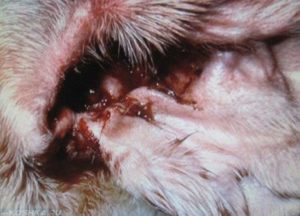
If a dog's ear is oozing, it signals an inflammatory process. The main cause is usually bacteria or infection. What to do if a dog's ear is oozing:
- Wipe the discharge with a clean bandage. Do not insert it into the ear canal.
- Wipe the inside with hydrogen peroxide. Pouring it in is prohibited!
- Use ear drops or ointment. Pus often appears with otitis, especially dangerous are inflammations of the middle and inner ear. Why a dog's ear tips are oozing: severe stress, excess protein, unhealed microtraumas, injuries from fights. Also, the edge of the ear can ooze with vasculitis, otodectosis, mycoses. Therefore, even a minor fungus in a dog's ears needs to be treated immediately. Treat it like a regular wound: disinfect with antiseptic, apply healing ointment. You can cover it with a bandage or plaster. Inspect several times a day.
Symptoms of Vasculitis in Dogs
Vasculitis is inflammation of the blood vessel wall. A relatively rare disease in animals, it has different origins: infectious, viral, autoimmune. Symptoms of vasculitis in dogs on the ears:

- swelling of the area;
- bright vascular network;
- large hematomas, although trauma is ruled out;
- hair loss;
- ulcers. If a dog has ear pain from vasculitis, treatment includes prednisone, corticosteroids, antibiotics, Daxon, cyclosporines, Imuran, sulfasalazine. The main thing is to eliminate the cause that triggered the inflammation. The accurate diagnosis is made only by a veterinarian after analyzing the tests. The duration of therapy varies: some dogs recover in a few weeks, while others have to take medication for life. Difficulties arise due to the autoimmune nature of vasculitis, as the body's defense forces have to be "taught" not to attack its own tissues.
Dangers of Dermatosis of the Ear Pinna
It is clearer what to do if a dog has ear pain. But dermatosis manifests slightly differently: it itches. This is a characteristic rash of a seborrheic nature on the red or pink ear pinna. In medicine, it is considered an inflammatory-degenerative skin condition, i.e., it has no clear causes. Symptoms:
- severe itching;
- rash, which can also occur on the back;
- papules, crusts on affected areas.
- deafness, blocked ear canals. Dermatosis starts between 6 months and 3 years of age. It is incurable, so the condition can only be relieved by administering corticosteroids and some antihistamines. It is often mistaken for dermatitis or eczema, so a thorough diagnosis is necessary.
Ear Mite Infection in Dogs - Otodectosis
Some believe that otodectosis is a fungus in a dog's ears. It looks like a dark brown deposit inside, but it is actually a parasite. More commonly known as an ear mite - a miniature arachnid up to 1 mm in size. Reproducing in the skin, it causes symptoms:

- itching;
- shaking of the ears, head;
- restlessness;
- hearing impairment;
- canal blockage;
- discharge (from both ears at once). In the advanced stages, otodectosis paves the way for infections and viruses. They multiply successfully in the ear and can reach the brain membrane. Effective treatments at the very beginning of the disease include Bars, OtiBiovin, Atrazine. It is important to carry out seasonal preventive measures for all animals in the house and avoid contact with strays.
Common Ear Disease in Dogs - Otitis
It can be internal or external, and breeds with long floppy ear pinna are prone to it. The main symptom is foul-smelling brown, yellow, or white discharge. At the same time, the pet feels unwell. There are many causes of otitis: from bacterial or viral infections to traumas and side effects of otodectosis. Therefore, there is no exact answer to what to treat ear diseases in dogs in this case. First, the primary cause of otitis is eliminated. If it is bacterial, infectious, or viral, then:
- Rinse with hydrogen peroxide to soften the crusts.
- Collect the pus.
- Apply the prednisolone ointment and drops prescribed by the veterinarian.
- For internal otitis, antibiotics and antihistamines are prescribed. After successful treatment of internal otitis, it is recommended to protect the dog's ears with a scarf or hat in damp cold weather. Sometimes the pet injures the pinna due to stress. Such conditions are alleviated by applying prednisolone ointment, and the irritant must be eliminated. Some breeds are genetically predisposed to ear diseases and trauma. Therefore, if you own a dog with long ears, conduct preventive check-ups.