Symptoms and Treatment of Canine Skin Diseases. Description of Canine Skin Diseases
Treatment and prevention of common skin diseases in dogs: ringworm, dermatitis, mycosis, ectoparasites. Skin conditions in older dogs.
Description of Skin Diseases in Dogs
In medicine, the following groups are distinguished:
- allergic, seasonal dermatitis;
- caused by parasites (fleas, lice);
- fungal;
- bacterial dermatitis. Each type is treated differently. Therefore, self-diagnosis and the use of medications without a veterinarian's approval should be avoided. If the condition progresses, it brings discomfort to the pet, and later - threatens its life. Skin symptoms can also indicate oncology. Veterinary care for dogs' skin diseases is successfully treated with local and general therapy. Some conditions are incurable, but the symptoms can be managed. The most common skin diseases in pets are:
- ringworm;
- mycosis;
- manifestations of ectoparasites;
- allergic dermatitis;
- atopic dermatitis.
Skin Diseases in Dogs: Treatment and Prevention
Timely detection of the disease requires only local therapy. Conditions in advanced stages are examined only by a veterinarian. There are folk methods to combat fungi, ringworm, and parasites. However, they are less effective than specialized treatments and may not always be suitable for the pet.
Signs of Ringworm
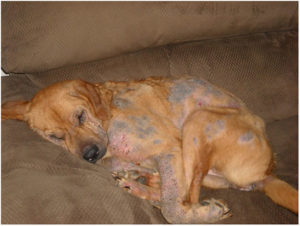
One of the most common diseases with a high transmission rate. Caused by fungi, bacteria. In the initial stage, all types of ringworm are almost imperceptible under the fur: it is a light reddish rash. In the second stage, intense itching begins, hair loss occurs, and the animal becomes restless. Main types: pink, scaly, girdling, weeping, dandruff-like. The difficulty of home treatment lies in the fact that the owner cannot determine the form, so a consultation with a veterinarian is needed, sometimes - tests. Treatment can be local, where the affected areas are treated with ointment. General therapy in advanced stages involves taking oral tablets: antibiotics, liver protectors, and immune system stimulants. Ringworm prevention is vaccination. However, injections do not protect the pet from all types of the disease, so it is necessary to monitor the condition of the skin.

Mycosis
Fungal skin diseases in dogs spread rapidly. Symptoms include:
- skin flaking;
- discharge;
- unpleasant odor from the area;
- if it's on the paws - nails peel off, hair falls out, paw pads bleed and dry out;
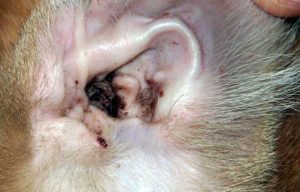
- on the ears, hair falls out, crusts appear. There are many reasons for mycosis, from damp weather to weakened immunity. Therefore, besides local therapy, investigations are necessary. Treatment options include shampoos, sprays, and ointments. Some owners vaccinate their dogs to build immunity against certain fungal strains. There is also seasonal mycosis: in wet weather, moisture remains between the toes, providing an ideal environment for fungi to multiply. Therefore, teach your pet to wash its paws and dry them thoroughly after a walk.
Fighting Ectoparasites
Fleas, lice, and ticks affect the skin of pets. When an insect penetrates the upper layer, it secretes saliva, triggering an allergic reaction. Parasites also transmit infectious diseases, such as Lyme disease or borreliosis. Prevention:
- Wear a parasitic collar in spring and summer.
- Avoid walking in forest belts or tall grass.
- Timely treatment against insects. For small breeds, a large number of parasites are much more dangerous than for large breeds. And if a Yorkshire Terrier is allergic to the secretion, even a few bites can cause an anaphylactic shock. To check for insects on the dog, inspect the fur, especially the face, ears, back, and abdomen. Ticks prefer warm areas with thin skin. Fleas can be noticed with the naked eye. In both cases, the dog scratches, and red rash or spots appear on the skin. A tick that has fed on blood can be easily removed with alcohol and a thread, twisting it out of the bite site. If unsure, consult a veterinarian: they have special tools. There are different forms of flea products:
- shampoos;
- sprays;
- collars;
- spot-on treatments. Most of them protect the pet from parasites for 14 days to several months. During the season, all pets in the house should be treated for fleas to avoid cross-infection.
Dermatitis: Allergic and Atopic
In the group of allergic dermatitis are reactions to insect bites and contact forms. The latter include allergies to medications, care products, food, pollen, fabrics, etc. Usually, the condition manifests as a small red rash with mild itching at the contact site. Also:
- mucous secretions;
- throat swelling;
- severe itching all over the body;
- sneezing. Dogs can have almost all types of allergies, just like humans. They are incurable but can be managed with special medications. The owner must protect the pet from the allergen and maintain immunity during seasonal exacerbations. Skin tests are done to identify the allergen. Atopic dermatitis is similar to an allergy, but the exact causes are not fully understood. Risk factors include weakened immunity, climate, and certain diseases. It occurs in young pets aged 1 to 5 years, appears suddenly, and has a severe course. Symptoms: intense itching, causing the dog to scratch the skin to the point of bleeding and abrasions; unpleasant odor from the ears; bald patches; structural changes in the skin. This condition is incurable; the pet is given corticosteroids, antihistamines, and local therapy. External manifestations of atopic dermatitis can be confused with hives, food allergies, reactions to parasite bites. However, it is a result of autoimmune processes that occur systematically throughout the year. In severe cases, the pet suffers constantly without remission.
Major Skin Diseases in Elderly Dogs
Elderly pets may experience the same conditions as young ones. However, they exhibit specific age-related changes that are not considered pathological: baldness, thinning, loss of elasticity. Special attention is paid to neoplasms and structural changes: this can be oncology or Cushing's syndrome. When there is a general deterioration in well-being and external symptoms, the dog should be shown to a specialist. In modern veterinary medicine, even malignant tumors are treated, giving the pet several more months or years of life.