Best Allergy Tablets: Symptoms and Treatment of Allergies in Dogs.
Antihistamine drugs for dogs, effective allergy tablets, skin allergy medications. How to treat allergies in dogs.
Medications for Allergy on the Skin
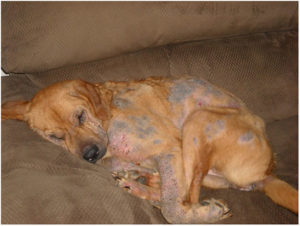
Remember that an allergy remedy is effective only when the dog does not come into contact with the allergen. The main efforts of the owner in getting rid of this ailment in the dog should be focused on identifying the irritant and protecting their pet from it. The most unpleasant complication of allergic reactions is skin lesions. Initially, increased reactivity of the body can only be noticed upon careful examination, as the dog's body is covered with thick fur. Attention should be paid to:
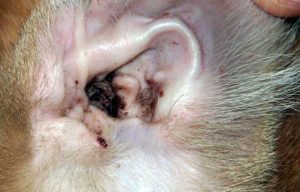
- constant scratching of the dog's ears, active licking of the body, rubbing against the floor or furniture;
- interdigital spaces and paw pads. Peeling and redness are observed in case of an allergy.
- hair loss, appearance of bald patches;
- increased dryness of the skin and dandruff. Local treatment at home involves taking antiallergic tablets and ointments for allergies:
- the ointment should have anti-inflammatory and antibacterial effects.
- in case of itching, it is recommended to treat the dog with moisturizing lotions, mousses, ointments, creams, and gels.
- antiallergic ointment should be applied in the morning and evening to the affected areas of the body. It is important to monitor the dog to prevent it from licking off the medication before it is fully absorbed.
- in combination with ointments, it is effective to use shampoos and conditioners containing triclosan and chlorhexidine. These components cleanse the dog's fur and skin from allergens, suppressing the active growth of microorganisms.
Antihistamine Medications for Dogs
Antihistamine drugs for dogs are used to relieve attacks in animals. Histamine is not very active in the body. However, under the influence of allergens, it begins to be released. Excessive histamine is extremely active, causing typical allergy symptoms in dogs: swelling, rash, itching, gastrointestinal disturbances, inflammation, and more. To block histamine, Suprastin and Dimedrol are used. They are also called itch relief tablets. These time-tested drugs have proven themselves as a preventive measure. However, when a dog has food or contact allergies, standard tablets are better replaced with:
- latest generation drugs:
- desloratadine;
- fexofenadine;
- levocetirizine.
Effective Allergy Tablets
Serious allergy medication for dogs should be prescribed by a veterinarian based on tests. The doctor will select the necessary medications for the animal. These can be ointments, injections, compresses, tablets for food and other types of allergies in dogs. The most effective ones are:
- corticosteroids. Hormone-based medications. Deactivate histamine, reduce immunoglobulin levels, decrease serotonin and histamine sensitivity in tissues, and stop the inflammatory process. The complex action of corticosteroids acts simultaneously on the entire mechanism that triggers the allergic process in the body. However, there is a downside to using hormonal medications. Side effects of corticosteroids range from mild gastrointestinal disorders to the development of chronic ailments.
- immunomodulators. Natural or synthetic-based agents are designed to eliminate the root of the problem and restore the immune system to its normal state. Prolonged remission is achieved only with a long course of immunomodulator use. The use of any medications to help your pet should be coordinated with a veterinarian. A complete examination of the animal and the right approach to treatment will help the dog cope with allergies more easily and recover faster after attacks.