Fungal infection in dogs: diagnosis and treatment of mycosis. Symptoms of fungal infection.
Fungal infections in dogs are a common reason for visiting a veterinarian. Pets are active, so they easily pick up the pathogen while out on a walk.
What is a Fungal Infection
A fungal infection in dogs (or dermatophytosis) is the general name for a group of pathogens. They are commonly referred to as ringworm, although they have different origins. The most common dermatophytoses include:
- ringworm;
- trichophytosis;
- microsporia;
- favus. The danger of a fungal infection is that in the later stages, the symptoms become pronounced, and dealing with them becomes much more difficult than at the beginning. Treating some ringworms can take months or even years, sometimes achieving only remission.
Main Symptoms of Fungal Infections in Dogs
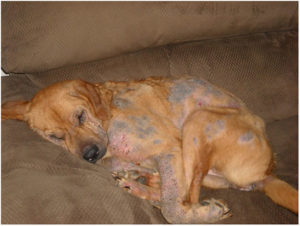
When fungi come into contact with the skin, they begin to proliferate. Over time, they penetrate deeper, affecting the upper layer and hair follicles. At this point, the symptoms of fungal infection in dogs become noticeable:
- several pink or red spots on the skin;
- areas where hair loss occurs;
- characteristic dry scales;
- white or gray deposits at the hair roots;
- itching. The spot continues to grow, areas with alopecia form conglomerates. An advanced ringworm can completely destroy the dog's coat. At the same time, the skin's protective function weakens, opening the way to parasites, bacteria, and infections. On hairless areas, you may notice moist secretions with an unpleasant odor, ulcers, and wounds. The quality of the regrowing fur deteriorates: the hair becomes dry, brittle, loses color, and grows slowly. A dog without protective fur and healthy skin becomes vulnerable, its immunity decreases. Therefore, dermatophytoses must be treated as a priority - it is not just an aesthetic issue.
Diagnosing Malassezia Fungus in Dogs
The pathogen lives on the pet's skin without causing harm, but rather creating a barrier against staphylococci. However, if the dog's immunity is weakened, a fungal infection appears. These are light pink spots on:

- back;
- abdomen;
- paws;
- ears;
- armpits;
- tail. Sometimes it appears in the genital and perianal areas. The main symptoms are skin spots and constant severe itching. As the dog scratches more, it spreads the fungus all over the body, leading to total infection. There is no age predisposition, but breeds with folds are more prone to Malassezia.
Fungus on a Dog's Paws - How it Develops
Veterinarians identify the following risk factors:
- damp weather;
- irregular hygiene;
- contact with stray animals;
- weak immunity. Skin fungal infections in dogs often localize in the interdigital spaces. There, an ideal environment for proliferation is created. How to notice the problem: the pet often chews on its paw, licks it; nails turn yellow, flake; there is a deposit or black spots on the paw pads and between the toes. The animal finds it difficult to step on the sole. In this case, preventing skin mycosis in dogs between the toes is easier by maintaining hygiene and caring for the pet's paws: trim the nails, wash after each walk, and monitor the integrity of the skin.
Fungus in a Dog's Ears: How to Identify, Consequences
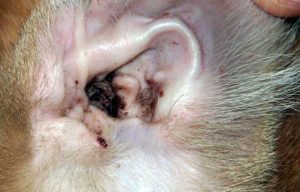
 In medicine, it is called "otomycosis." Causes of occurrence: inflammatory processes, mites, weak immunity, medication use. The fungal pathogen is always present in the ear canal area but becomes active when the body's defense function is weakened.
Ear fungus in dogs manifests with symptoms like:
- itching;
- flaking;
- redness inside and outside the ear;
- swelling;
- foul-smelling discharge from the ear canal. If the mycosis appears externally, the pinna loses hair, reddens, and inflammations occur.
Types of Fungal Eye Infections in Dogs
Even intact eyes can be affected, leading to blindness and necrosis. Diseases include:
- histoplasmosis;
- blastomycosis;
- aspergillosis;
- cryptococcosis. They are all caused by fungal pathogens. Spores often penetrate further, even affecting the brain membranes and nervous tissues. Therefore, symptoms such as redness, growths, hemorrhages, ulcers, and conjunctivitis are reasons to seek veterinary care.
Treating Fungal Infections in Dogs: Medication, Vaccination
 Treatment of mycosis in dogs is usually comprehensive. It includes groups of drugs:
- immune system stimulants;
- antibiotics (if necessary);
- medications to eliminate the pathogen (shampoo for dogs with fungal infections for the back, ear drops, eye drops, and ointments). Be prepared for the fact that treating fungal infections in dogs is lengthy. You may need to switch several medications and topical treatments to achieve results. An innovative solution is a vaccine against fungal infections in dogs. It is administered to pets with chronic forms of the disease to establish remission.