Orchitis in Dogs: Signs, Dangers, Treatment, and Prevention
Large breeds are prone to orchitis, but it is not excluded in small pets either. It is important to vaccinate your dog on time.
Main Symptoms of Orchitis in Dogs
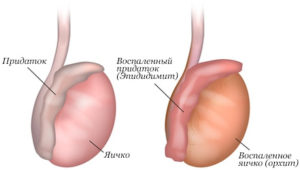
If a dog's testicles are swollen, it is a reason to consult a veterinarian. One of the diseases that can cause this symptom is orchitis. Affected individuals cannot perform their reproductive function normally, which poses difficulties for breeding purposes.
The route of infection is through the urogenital system. Bacterial infection enters the testicles through the channel. The main reasons why a dog's testicles may swell and become red include:

- Uncontrolled sexual intercourse of the male;
- Kidney and bladder diseases;
- Plague virus;
- Mycosis (fungal infection);
- Injuries;
- Autoimmune process.
The pathology also causes discomfort to the animal, leading to pain. Difficulties with urination may arise. Symptoms of orchitis include unilateral or bilateral enlargement of the testicles, locally increased temperature, and fever. The animal may frequently lick the affected area, have an altered gait, refuse food, and become less active. In its chronic form, orchitis leads to infertility.
Acute orchitis can lead to abscesses. The abscess may rupture outward, injuring the scrotal skin, resulting in a fistula. Therefore, the disease in any form requires treatment under the supervision of a veterinarian. The causes of one swollen testicle in a dog are not always quickly treatable. For example, autoimmune conditions take longer to manage. It is easier to deal with mycoses and bacteria. Remember that treatment is easier and faster in the early stages.
Treatment of Orchitis in Dogs
Before prescribing medications, an examination of the external genital organs is necessary. If there are doubts, a biopsy and blood and urine tests are prescribed.
Therapy
In rare cases, when the disease is advanced or incurable, castration is recommended. Without the operation, there is a risk of bacteria spreading to the internal genital organs and bloodstream. In the early stages, cold compresses are prescribed as therapy (in addition to medications). They reduce temperature and inhibit bacterial growth.
Medications for Orchitis Treatment in Dogs
Medications are used comprehensively:

- Antibiotics. Help fight infection.
- Corticosteroids. Reduce inflammation levels and provide pain relief.
- Detox. Reduces intoxication levels, supports heart function. Liver protectors are used in combination.
- Immunosuppressants. Prescribed for autoimmune orchitis. Prednisone works well.
- Antifungals. For orchitis caused by mycosis.
After the operation, attentive care is recommended. Surgical measures are necessary, so castration should be performed, even if it concerns a breeding male. Otherwise, it will not be able to reproduce and will be at risk of health issues. Uncomplicated orchitis can be successfully treated.
Orchitis Prevention
Preventive measures include:
- Hygiene of the genital organs;
- Prevention of uncontrolled sexual intercourse;
- Regular check-ups with a veterinarian, especially before mating;
- Proper diet, daily routine, sufficient activity level.
Large breeds are prone to orchitis, but it is not excluded in small pets. It is important to vaccinate the dog on time, following the prescribed schedule. In older males, inflammation may become chronic, and in such cases, the animal's condition should be alleviated.
If there is a sudden deterioration in the dog's condition, rapid tumor growth, tests for malignant formations should be conducted. This may indicate the need for medical castration.
Veterinarians strongly advise against self-treatment, giving antibiotics or immunosuppressants to pets. Improper treatment can cause irreparable harm to health.