Skin diseases in dogs: red spots and the reasons for their occurrence
Red spots on a dog's body and the diseases that cause them. Dermatitis, scabies, ringworm, fleas. Identifying the causes and treatment.

Causes of Red Spots on a Dog's Body
One of the most important organs performing a range of protective functions is the skin. It helps maintain the body's safety, retains the necessary temperature level. All internal organs and systems are somehow connected to the skin of a living organism. Changes in a dog's skin indicate some malfunction in the animal's body.
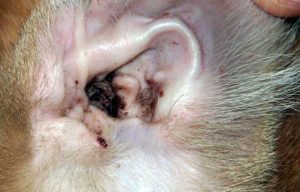
The owner should immediately react to redness on the body, the appearance of spots, rashes, irritations on the skin of their pet. Prompt identification of the causes that led to this symptom will help rid the four-legged friend of insidious diseases.
Diseases that Cause the Appearance of Red Spots

Unfortunately, red spots on the abdomen or other parts of a dog's body can be caused by several aspects: pigmentation disorders or inflammatory processes. The most common of them are:
- Dermatitis. In the acute moist phase, dermatitis manifests as severe itching caused by secondary microflora of microorganisms and pink spots on the body. By scratching itchy areas of the skin, the dog triggers hair loss and further development of acute moist dermatitis. This condition arises from the self-trauma of the dog. Therefore, any scratches and wounds on the dog's body should be promptly treated by the owner.
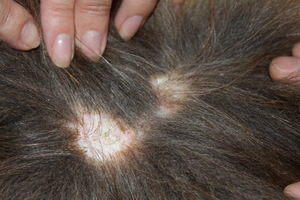
- Dermatophytosis. A fungus can cause red spots on a dog's body. This is a special type of parasite - dermatophytes. Initially, small spots appear on the dog's body, which gradually grow, increasing in size. Thus, dermatophytes form entire colonies on the animal's skin. A fungal infection can be noticed by finding red spots on the dog's head. As the disease progresses, not only the muzzle and neck are affected, but also the tail, paws. The fur breaks and falls out. Pigmentation is lost. The skin thickens and reddens.
- Red mange or demodicosis. Multiple dry flaky spots on a dog's skin are a symptom of a dangerous disease. Pet owners often ignore it due to the small size of the spots that do not grow. However, this disease brings incredible suffering to the dog in the form of intense itching. Demodicosis treatment should be carried out exclusively under the supervision of a veterinarian.
- Ringworm. With ringworm, the skin on the head, neck, and paws is affected. Red circular spots of different sizes, but perfectly round, appear. The area affected by ringworm becomes inflamed. Hair loss occurs. An advanced disease is characterized by large areas of damage, scaly skin, and thick red crusts on the body.
Such symptoms are a reason to consult a veterinarian. After diagnosis, the specialist will select the optimal treatment for the dog.

Causes of Red Spots on a Dog's Body
In addition to serious illnesses requiring a visit to the vet, there are several other reasons for the appearance of red spots:
- Allergy. A reaction to an allergen that has entered the dog's body can be easily identified by vomiting spasms. An allergic reaction to a chemical/synthetic product most often manifests on the dog's abdomen. Red dots, redness, and itching are likely to occur after contact with chemicals.
- Heat rash. In hot weather, breeds with increased hairiness are at risk of getting heat rash. A rash on a dog's abdomen, left unattended by the owner, turns into wet scabs. And then suppuration occurs. Knowing your dog's predisposition to heat rash, it is necessary to move the walking time to the morning and evening hours.
- Ticks and fleas. Parasite bites leave red marks on the animal's body. Flea infestation is easily detected by carefully examining the dog's fur. To detect ticks, the animal's body is examined with special attention. The use of antiparasitic agents and wearing a special collar are aimed at preventing ticks and fleas.
Red spots on a dog's tongue are not a cause for concern if there are no other pronounced symptoms. In case of deterioration of the animal's health, it should be shown to a veterinarian.
The use of simple external remedies helps eliminate dermatological problems. However, it is important to observe the animal and respond to negative symptoms. Any negative change in the dog's health is a reason to visit a veterinary clinic to provide assistance to the pet.