Sarcoma in Dogs: Symptoms and Treatment. Malignant Tumor in Dogs
What is sarcoma in dogs? What are the symptoms and how to treat this disease? We will tell you about the causes of the illness, its symptoms, and possible stages.

Types of Sarcoma Disease:
Sarcoma in dogs is a malignant neoplasm that develops from mutated connective tissue cells. It is difficult to pinpoint the exact cause that triggers the development of a tumor in an animal. Sometimes even a simple vaccination can contribute to the onset of the pathological process.
The complexity of diagnosing the disease lies in the subtle nature of the pet's condition. Often tumors are detected at advanced stages. Sarcoma in a dog's leg is easiest to identify, as it is hard to miss lameness and a decrease in the pet's activity.
Causes and Pathogenesis in Dogs:
Sarcoma in dogs develops from actively dividing, immature tissue present in all organs and systems of the animal. The tumor can originate from bone or cartilage cells, adipose or lymphoid tissue, or the epidermis. It is not associated with a specific organ but is characterized by an aggressive course and early metastasis.
Veterinarians cannot definitively answer why sarcoma occurs in dogs. However, they identify a number of factors that can trigger the development of a tumor process.
Factors contributing to the onset of the disease include:
- viral infections – papillomatosis, herpes;
- exposure to adverse environmental conditions;
- indiscriminate mating with stray animals – transmissible sarcoma in dogs;
- intoxication with carcinogenic substances;
- mutational processes;
- hormonal imbalances – for example, uterine sarcoma in dogs.
Sarcoma Classification:
Sarcoma in dogs, when cut, resembles fish meat with a white-pink color. When classifying tumors, the size of the neoplasm and its impact on other tissues are taken into account.
In the initial stage, sarcoma in dogs does not exceed 3 cm. The carcinoma is located on the surface of the organ. In the second stage, the tumor size increases, and mutated cells begin to invade the organ.
In the third stage, the carcinoma affects the organ completely, extending beyond its boundaries. At this stage, the disease affects the nearest lymphatic collectors, and secondary tumors appear.
In the fourth stage, mutated cells are found in all organs and systems of the animal.
Symptoms and Signs of the Disease in Dogs:
The symptoms of sarcoma in dogs are similar to oncological diseases in humans. All signs of the pathology are conditionally divided into general and specific to a particular system.
General symptoms include weight loss without changes in diet and physical activity, disrupted defecation, recurring episodes of vomiting or bloody diarrhea, shortness of breath, abdominal distension, coughing, seizures, lameness, joint movement problems, and bone structure issues.
Specific signs of the disease depend on the affected organ. Transmissible sarcoma in dogs is accompanied by purulent discharge and bleeding from the genitals. Soft neoplasms are easily traumatized.
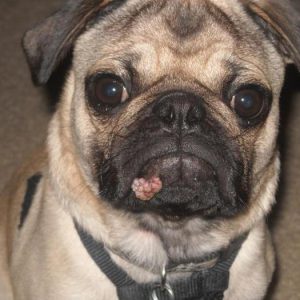
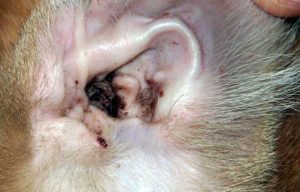
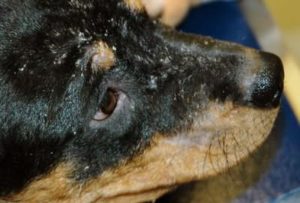
Skin sarcoma in dogs begins with damage to nevi and may appear as a long-unhealed ulcer on the surface of the epidermis.
Damage to bone structures is accompanied by limited mobility, reduced range of motion in the joint. Osteogenic sarcoma in dogs is characterized by pain, lameness, and the presence of thickenings on the pet's limb.
Treatment of Sarcoma in Dogs:
After diagnosing "sarcoma in dogs," the veterinarian will develop a treatment strategy considering the animal's age, stage and type of the disease, and the presence of secondary tumors.
Treatment is comprehensive. Surgical removal of sarcoma in dogs is not a method guaranteeing recovery and absence of relapses. Chemotherapy and radiation therapy are recommended. The use of aggressive drugs reduces the risk of secondary tumors.
Sarcoma of the bone is treated with platinum-based drugs, which increase the pet's lifespan. Without chemotherapy, after surgery, the average lifespan of the animal is 3 months. Radiation therapy alleviates pain but is indicated when bone integrity is not compromised.
Transmissible venereal sarcoma in dogs requires the formation of a urinary channel in the abdominal wall. Conservative therapy for this form of the disease is used for inoperable carcinomas.
If the disease has spread to other organs, with active metastasis, symptomatic and palliative therapy is recommended. If treatment is ineffective, the veterinarian may recommend euthanizing the pet.
Oncological diseases are not exclusive to humans. Animals also suffer from them. The owner's task is to monitor the pet's health, eliminate triggering factors, and when suspicious symptoms appear, have the pet examined and follow all veterinarian's recommendations.