Dog Warts: Causes, Risks, Treatment. Warts and Tumors.
In most cases, pet owners are very attentive to any new developments in their pets and always seek timely advice from veterinarians.
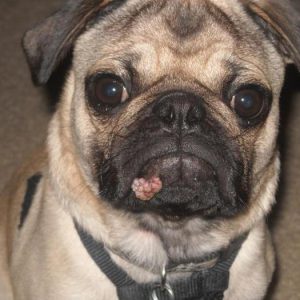
Warts on a Dog's Body: Dangerous or Not?
The papilloma virus usually does not develop in the body. A strong immune system suppresses it, so the dog does not get sick. But if it weakens, new growths appear on the body or muzzle.
 They outwardly resemble warts: at first smooth and small, then they acquire a loose structure. Large ones structurally resemble cauliflower. Papillomas are benign and do not pose a threat to the pet's health, except in some cases:
- Wart on a dog's eyelid. Large growths obstruct vision, can interfere with eyelid closure. The pet may be bothered and could accidentally injure the papilloma with its paw.
- Papilloma on mucous membranes: in the mouth, on the nose, as well as on the paws, genitals. They interfere with the dog's normal activities. In the mouth, it can lead to stomatitis, making eating difficult. Moreover, growths on the muzzle look aesthetically unpleasing. In these cases, it is better to get rid of them to neutralize the discomfort. This should be done by a specialist as home remedies can be dangerous for the dog. Sometimes the transformation of benign growths into malignant ones is observed. Though rare, it is important to understand that cancer is much harder to combat than papillomatosis. Constant trauma, according to some theories, contributes to the transformation into oncology.
Treatment of Papilloma in Dogs
If the growths are small, do not bother the pet, and it does not traumatize them, no action needs to be taken, and instead, focus on boosting the immune system. When the immune system strengthens, the papillomas will disappear on their own within 10-12 days. But if they grow, increase in number, removal should be considered. The most modern method is laser removal. The growths are cut at the root, the skin heals, and becomes smooth. Immunostimulants are prescribed during the healing period to prevent recurrence. However, this does not always work, so the removal procedure may need to be done regularly.
Papillomas in Dogs. Video.
Prevention
Treating papillomavirus in dogs is not the primary way to combat it. Some veterinarians recommend vaccinating the pet at a young age. This can be done using an extract from the dog's own papillomas or a broad-spectrum drug.
The body develops resistance to the weak virus, which consequently helps fight off a "real" papillomatosis later on. To prevent virus infection:

- the main thing is to monitor the dog's nutrition, maintain its immune system;
- avoid contact with infected animals, including cats;
- sanitize toys, bones if they are shared among different animals. There are about a dozen varieties of the virus, some of which are contagious to all animals, while others are specific to cats or dogs. None of them can be transmitted to humans or vice versa.
Signs of Transformation into Malignant Tumors
Dangerous symptoms include pain, regular bleeding, asymmetry, increased temperature of the skin area. Tumors also firmly adhere to the skin, are covered with patches or spots, and have an uneven structure. Pay attention to the overall deterioration of the pet's health:
- poor appetite;
- apathy;
- restlessness;
- weight loss;
- increased thirst. These signs indicate a total spread of metastases to internal organs, requiring urgent veterinary attention and therapy. It is better to pay attention even to benign growths to avoid serious illnesses.