Diarrhea in Dogs: Causes, Treatment, and Diet Options
Dog diarrhea? We will tell you about all the causes of diarrhea in dogs and ways to treat it at home. We will discuss diet options for your pet.
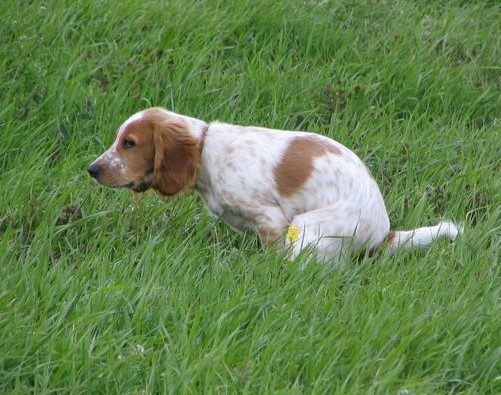
Causes of Diarrhea in Dogs:

The development of acute diarrhea in dogs can be caused by various factors. It is impossible to single out one as the most important. The two main factors contributing to gastrointestinal disturbances are:
- Animals picking up food waste;
- Sudden changes in diet.
Such cases often do not require veterinary intervention and can resolve on their own. Another important cause of acute diarrhea can be a viral infection.
Treatment of Diarrhea in Dogs:

Treatment involves rehydration and fasting for 24 hours. The measures are aimed at restoring the balance of fluids and electrolytes in the body.
If the animal loses a large amount of fluid, oral rehydration therapy is prescribed, as the pet may develop dehydration and electrolyte depletion up to acidosis. Fluids and electrolytes are administered orally in cases of moderate disease progression.
A healthy intestine secretes chloride ions into the lumen through crypt cells during food digestion, leading to the generation of a counter current of water and other ions. Chlorides and sodium are then reabsorbed by the transport system of the small intestine cells, resulting in passive movement of water into the blood from the lumen of the tubules.
There is a standard formula for oral rehydration solutions:
- Sodium;
- Glucose;
- Potassium;
- Chlorides.
Various diets can be used to eliminate acute diarrhea:
- High quality;
- Nutrient-rich food;
- Avoidance of spices.
During the stabilization of the body, only low-fat food should be used. The menu should be adjusted gradually, and it should only be reintroduced when the dog is in a stable condition.
It is important to note that a diet rich in nutrients reduces the workload on the digestive system of the intestine. Such a menu reduces the risk of antigen penetration into the colon system.
Medication therapy is used in conjunction with a specific diet to expedite the body's recovery process.
In conclusion, a diet of this type helps initiate the restoration of enterocytes and reduce the risk of allergic reactions and food intolerance.
To avoid complications after an acute episode of diarrhea, the diet should include a small amount of proteins.
In cases of chronic diarrhea, a final diagnosis should be made based on the history, which provides a complete list of information regarding the duration and severity of the disease.
Additional diagnostic tests include:
- Stool consistency;
- Appearance of feces;
- Study of blood biochemical components;
- Evaluation of enterocyte functions and intestinal permeability;
- Hydrogen breath test;
- Radiography;
- Ultrasound;
- Histological analysis of biopsy samples;
- Examination of feces for parasitic and bacterial flora content.
With thorough diagnostics, the exact cause of diarrhea can often be determined.
In 50% of cases, chronic diarrhea in dogs is accompanied by bacterial overgrowth in the small intestine.
If your pet shows signs of acute diarrhea, it is essential to promptly consult a veterinarian. At the clinic, an examination will be conducted to determine the cause of the pathology. Based on this information, pharmacological therapy is prescribed, and a specific diet is recommended.
FAQ (Frequently Asked Questions): Question: How to stop diarrhea in dogs? Answer: It is best to consult a veterinarian to accurately determine the cause of the diarrhea. In the first days of acute conditions, to stop diarrhea in dogs, you can give them a rehydration solution like Regidron. To remove toxins from the body, medications such as Polifepan, Enterosgel, and Enterodes are prescribed. To restore the microflora, probiotics like Lactobifadol or other medications containing bifidobacteria should be given.