Swelling or eye edema in dogs: possible causes and what to do.
Conjunctivitis, allergies, and insect bites can cause eye swelling in dogs. Find out what to do if your dog has a swollen eye. READ MORE.
Eye Swelling. Causes
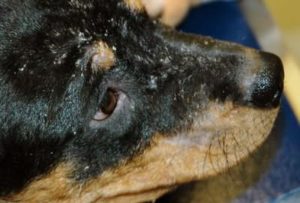
When a dog's eye swells, there are more questions than answers. The lack of a clear clinical picture requires a mandatory examination by a veterinarian. Since this symptom is characteristic of many diseases. Even those that are in no way related to the eye organ.
Eye Swelling. Causes
When a dog's eye swells, the cause may be either easily treatable minor issues or a serious health problem. The following factors are most common:
- Conjunctivitis. More than half of the cases when a dog's eye is swollen are due to this condition. Whether the upper eyelid is swollen or the lower eyelid is puffy, the owner needs to carefully examine their pet's eye. Even if the owner has no knowledge of basic veterinary concepts, conjunctivitis is unmistakable. A mild form looks like constantly watery eyes. The dog may have non-drying tracks of abundant discharge from the corners of the eyes to the mouth. In addition to swelling, both the lower and upper eyelids show signs of redness. Advanced conjunctivitis is characterized by abundant exudate discharge.
- Allergic reaction. Unfortunately, not only humans but also dogs are familiar with allergies. If the owner is aware of this predisposition in their pet, it will be easy to control allergy symptoms. For those unfamiliar with such a reaction to external irritants, attention should be paid to other allergy symptoms besides swollen eyes. Diagnosing an allergy in a dog based solely on eye swelling is not possible. Classic signs of allergies, in addition to swollen eyes, include abundant watery discharge from the eyes and nose.
- Eversion and inversion of the eyelid. Swollen eyelids have an unsightly appearance. They can turn towards or away from the pupil. Consequently, the outer part of the eyelid with lashes, fur, and skin rubs against the cornea. The eyes become inflamed, swollen, red, and may develop pus. However, this condition does not appear out of nowhere. Eversion of the eyelid is a pathology to which some dog breeds are predisposed.
- Blepharitis. Various traumas of mechanical or chemical nature; bacterial infections, infestation by subcutaneous mites, diabetes, and endocrine system problems can initiate an inflammatory process. This, in turn, leads to the aforementioned conjunctivitis.
- Foreign objects. Dust and particles stuck in the eye cause itching and burning, leading to eyelid swelling. The dog feels uncomfortable, so it tries to alleviate the itching by scratching the already inflamed eyelid with its paw. Do not discount possible insect bites. Bees, wasps, and bumblebees can cause not only eye swelling but also distort the entire face with their sting.

Few people think of heart or kidney disease when the eye is swollen. However, malfunctions in these organs can cause swelling. Primarily, the enlargement affects the eyes and ears.
What to Do If Your Dog's Eye Is Swollen
Specific medications and actions by the owner to provide first aid to their pet depend on the cause of eye swelling. General manipulations suitable for any disease or injury include:
- Prevent the dog from touching and rubbing its eyes. If possible, put an Elizabethan collar on the animal.
- Rinse the swollen eye with cool boiled water.
- Reduce inflammation with a cold compress. Blood vessels will constrict, and the swelling will decrease.
- If the owner is sure that the cause is an allergic reaction, the dog should be given an antihistamine. Human medications such as Suprastin, Diazolin, Loratadine, and others can be used.
- Relief for the dog can be provided by applying tetracycline ointment under the swollen eyelid. After providing first aid to the dog, it should be taken to a veterinarian for diagnosis and treatment.