Dog is foaming at the mouth: causes of vomiting and what to do. When to worry.
Vomiting with foam in dogs, worms, overeating, poisoning. When vomiting in dogs is a normal occurrence. Vomiting is a symptom of other diseases.
Causes of Vomiting in Dogs
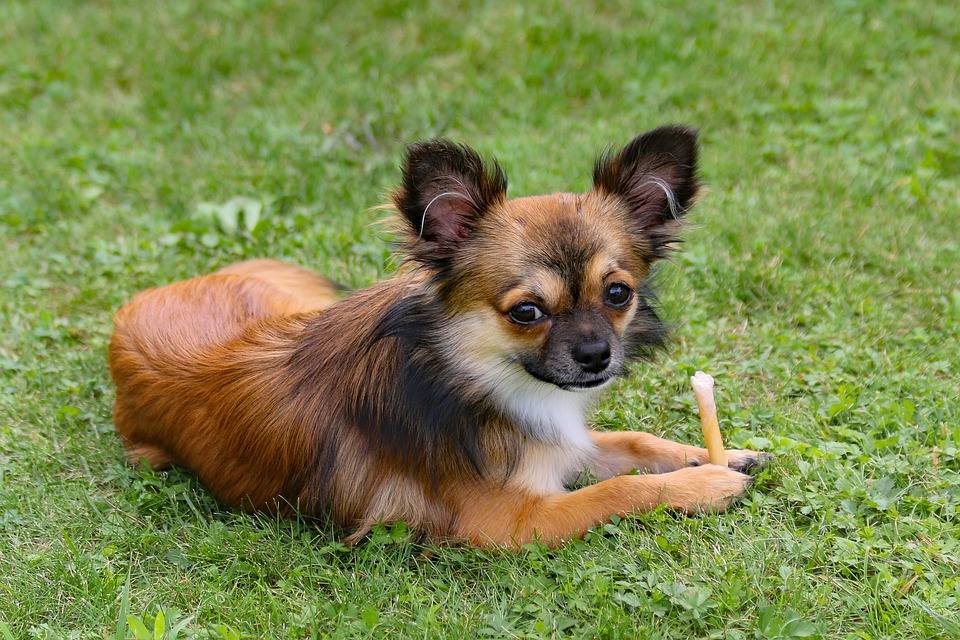
Vomiting in dogs does not occur without reason. Therefore, it is natural for pet owners to worry about their furry friend. Owners can reach a state of panic when their dog vomits white foam.
Vomiting itself is not a disease. It is always a symptom. Sometimes nonspecific or indicative of disorders. Vomiting is a protective reaction of the body to irritants. Everything in the stomach reflexively comes out, freeing the body from any harmful substances, including toxins.
Reasons for Vomiting in Dogs
There are plenty of reasons for the vomiting reflex in dogs. If the pet behaves cheerfully and actively after a one-time occurrence of vomiting, there is no need to panic. The digestive tract is getting rid of something unacceptable in this way.
Unfortunately, unpleasant illnesses can also be the reason why a dog vomits.
- Poisoning. Considering the four-legged friends' love for exploring the world by tasting things, it is not surprising that toxins can enter the body. Anything that arouses the dog's appetite ends up in its mouth. Then, the substance that enters becomes toxic to the body. It is difficult to determine the cause of poisoning, especially when a dog picks something up from the ground outside. Therefore, it is important to pay attention to symptoms accompanying poisoning: the dog vomits, excessive salivation increases, diarrhea may occur, and seizures may manifest.
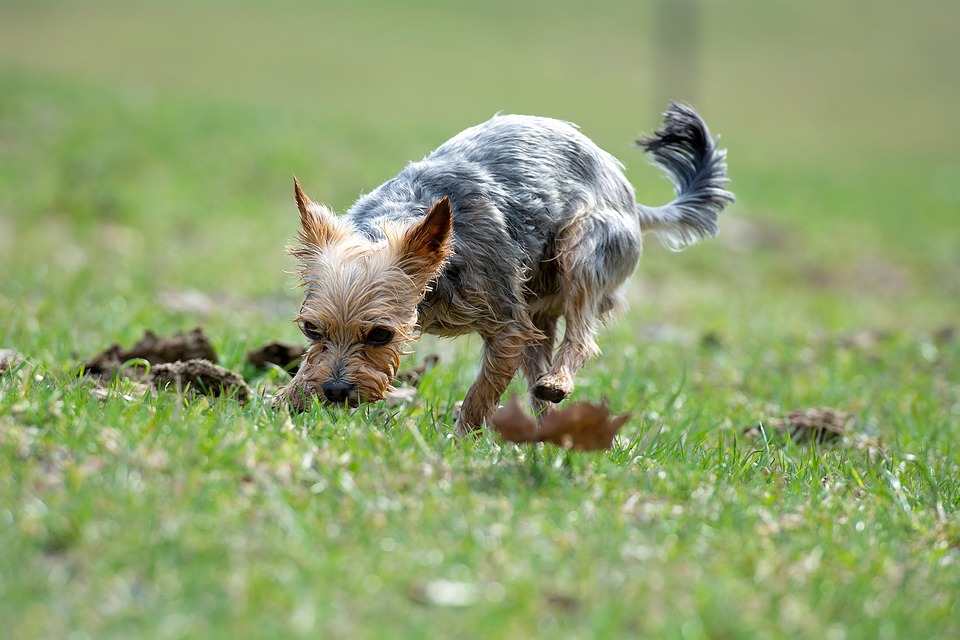
- Foreign bodies in the digestive organs. Dogs' curiosity and desire to try everything also lead to foreign objects entering the animal's body, which then triggers vomiting.
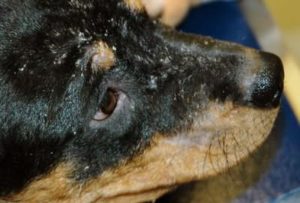
- Viruses. Pathogens most often affect unvaccinated dogs. The sudden onset is a characteristic feature of viral diseases. In addition to restless behavior and excessive salivation, a dog may vomit white foam.
- Worms. Puppies and young dogs are most susceptible to worm infestations. However, adult dogs are not immune to parasites. When worms enter the animal's body, they start irritating the bronchial mucosa. The dog vomits after eating. It starts reflexively coughing and, consequently, vomits.
- Overeating. The stomach cannot take in and process an excessive amount of food. Therefore, the body gets rid of the excess.
Also, causes that can lead to vomiting include allergy symptoms, past stresses, overheating, and central nervous system damage.
What to Do When a Dog Vomits White Foam
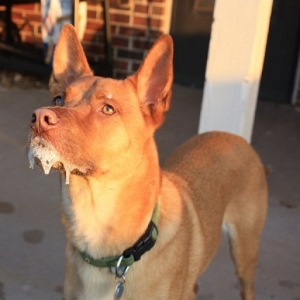
Foam is a mucous-gastric juice mixture. Dogs with gastrointestinal diseases and gastritis suffer from foamy vomiting. Regurgitation is particularly pronounced in the morning after waking up. Flake-like foam indicates progressing internal inflammation.
Vomiting white foam can indicate the nature of the disease. It all depends on the color of the substance. For example, yellowish foam with abundant mucus signals possible cholecystitis, hepatitis, or babesiosis. Multiple episodes of foamy vomiting are a reason to seek veterinary care.
Concerns about the dog's gastrointestinal tract should arise only with systematic foamy vomiting. A one-time foam occurrence in an active dog may be due to:
- the dog's empty stomach. This organ contains mucus that protects the stomach from acid. Swallowing air, the dog fills its empty stomach with it. When air combines with proteins and mucopolysaccharides, foam forms in the stomach.
- self-cleaning. All dog owners are familiar with the procedure of their pets eating grass. By filling its stomach with grass, the dog regurgitates white foam with bits of grass and remnants of undigested products.
It should be noted that the appearance of white viscous foam with vomiting is a characteristic sign of rabies. However, in this infectious disease, foam from the mouth is not the most prominent symptom. There is no need to panic without other clinical signs.
Dogs cannot speak. Therefore, it is important for the owner to learn to determine their pet's condition by symptoms to prevent the development of a serious illness.