Growths on the body of dogs
Changes in the behavior of your four-legged friend, the appearance of any growths on the dog's body - a reason to consult a veterinary clinic.
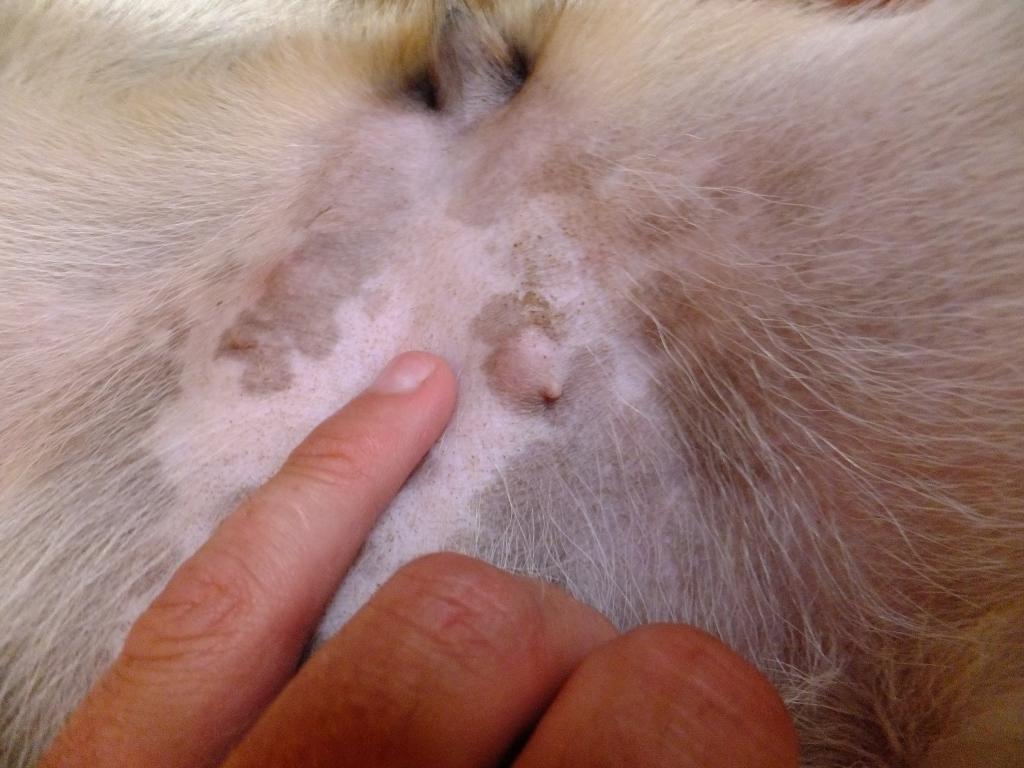
Types of Growths on Dogs' Skin
Changes in the behavior of your four-legged friend, the appearance of any growths on the dog's body - are reasons to consult a veterinary clinic. Applying herbal decoctions and hoping that everything will pass on its own can lead to the loss of a pet.
We will tell you why it is worth paying attention to growths on a dog's skin and what they can lead to.
Types of Growths on Dogs
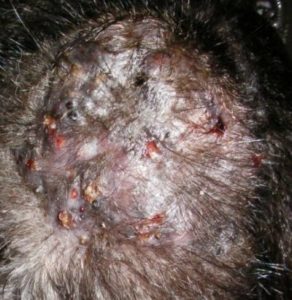
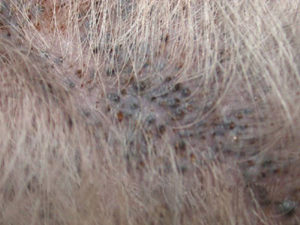
Growths on a dog are a common phenomenon. They can be both completely harmless and very dangerous. Growths can appear anywhere: on the back, on the paw, on the eyelid, on the abdomen, on the paw pads, on the head, and even on the nose.
We will tell you about the most common growths on dogs. The main types of growths are abscess, papilloma, cyst, lump, hernia, enlarged gland, and wart.
- Abscess - a boil filled with pus. It appears at the site of a bite, scratch, or other damage to the skin. As soon as an infection enters the wound, an abscess begins to form. It is only possible to squeeze out (open the abscess) after it has fully matured. When a purulent head appears on the growth. The abscess is opened with the help of a sharp lancet or razor. And very carefully, so as not to rupture the pus sac. Otherwise, microbes will enter the animal's bloodstream. After opening the abscess, the wound is treated with any antiseptic (iodine, betadine, green stuff) and is not closed. This way, healing occurs faster from the inside, and then from the outside.
- Lump (tumors) - pathological tissue growth. To determine the nature of such a growth, it is necessary to examine the tissue at a microscopic level. The thing is, tumors can be malignant (carcinoma) or benign. Malignant (cancerous) tumors grow very quickly, increase in size, and spread to other tissues. Carcinoma is most often found in the throat and chest on the glands. A malignant tumor is characterized by clear boundaries and hardness to the touch. In the case of a benign tumor, the size of the growth can also reach large proportions. However, the growth occurs slowly. The dog may experience discomfort with such a growth. But its life is not threatened, especially when such a growth is external. If you need a remedy for growths on a dog's body, we recommend consulting a good veterinary pharmacy.
- Wart comes in two types - hard and soft. The first type of warts resembles a convex-round, smooth spot. They can be noticed on the head, back, neck, or eyelid. Soft warts, on the other hand, are completely flat and slightly rough, appearing on the genitals and mouth. Non-dangerous growths cause only discomfort and inconvenience to the animal. For example, if warts are in the mouth, the dog salivates excessively. Surgical procedures are used to remove warts.
- Papilloma - a virus. A disease caused by this virus is called papillomatosis. Papillomas are most often found in a dog's mouth. Less commonly - all over the body. In the mouth, papillomas affect the cheeks, lips, gums, and tongue. Externally, they resemble cone-shaped loose formations. However, in size, they can reach the size of a large pea. But growths on the skin, on the contrary, have a rough, calloused appearance and a fairly dense consistency. Papillomas found on the animal's limbs, neck, and ears are absolutely safe for humans and other animals. But oral papillomatosis can be transmitted to other dogs. Since such growths are literally pierced with blood vessels, which can start bleeding even with a slight touch. Each type of growth requires special attention from a veterinary doctor. Only after the necessary tests can a treatment plan be prescribed for the dog. Moreover, different types of growths have their own treatment methods. For example, the most effective treatment for papillomatosis is vaccinating the dog. Since the vaccine is made from papillomas found in the animal. There is no need to be afraid of growths. It is necessary to carefully observe the behavior and appearance of your pet and promptly seek help from a specialist.