Black spots on a dog's body. Causes and treatment methods.
A caring owner always notices the slightest changes in the appearance of their pet, as it is easier to prevent illness than to treat it.
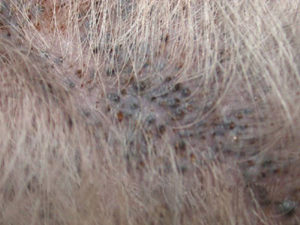
Reasons for the Appearance of Black Spots on a Dog
A vigilant owner always notices the slightest changes in the behavior and appearance of their pet. After all, preventing any disease is much easier than treating it. A dog's skin is a kind of indicator of the pet's health. Changes on the skin serve as a warning sign signaling impending danger.
The skin of a dog protects the animal's body from many dangerous factors, including:

- toxic substances;
- pathogenic bacteria;
- viral microorganisms. Black spots on a dog's body do not always indicate the onset of a disease. Reasons for changes in skin color unrelated to illnesses include:
- changes in the dog's diet and feeding regimen. Numerous black spots on the skin can result from mixing different types of food. When commercial food is introduced alongside natural feeding, it can lead to black spots on the skin and cause the dog to itch.
- contact with special reagents that are heavily sprinkled on the streets during the winter to prevent ice formation.
- prolonged exposure of the dog to direct sunlight.
- if an improper diet is combined with reduced physical activity, it disrupts the metabolic process. This can lead to hyperpigmentation, manifesting as black spots on the back and under the skin.
- genetic anomalies that arise during the selective breeding of animals. As a symptom, black spots on a dog's skin indicate the development of certain diseases:
- Acanthokeratodermia. Caused by a genetic code malfunction or an allergic reaction of the organism.
- Atopic dermatitis. Genetically conditioned disorders in the body lead to hypersensitivity to allergens.
- Acute moist dermatitis. Characteristic symptoms of a specific reaction of the dog's body to parasite bites include black spots on the head, sides, and legs.
- Black acanthosis. A pathology characterized by increased pigmentation that originates at a genetic level. The second type of black acanthosis indicates malfunctions in the reproductive organs or skin infection.
- Neoplasms (lentigo). This condition is more common in adult individuals. Multiple black spots are benign changes in the skin.
- Skin defect (epidermal nevus). An inherited condition characterized by not only black spots but also light patches.

How to Treat Black Spots
Treatment of black spots begins with a thorough examination of the dog by a veterinarian. Only based on an accurate diagnosis, the specialist will provide recommendations and prescribe medications. Since this symptom is characteristic of many diseases or is related to heredity. For example,
- any forms of dermatophytosis require treating the dog with special shampoos and skin cleansing agents along with antifungal medications.
- disorders in the endocrine system require restoring the functions to their normal state. Cosmetic or even medicinal products will not help.
- infected areas are treated with antibiotics.
The best prevention of black spots appearing on a dog's skin is a balanced diet, physical activity, and regular visits to the veterinarian.