Dog's bloated stomach: diagnosis, possible diseases, treatment
The most common reason for this condition is the owner's negligence when the pet eats non-dog food, which consistently causes gastrointestinal problems.
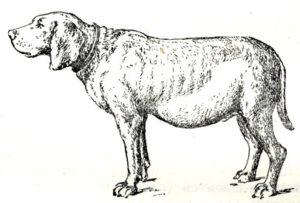
What to Do If a Dog's Stomach Is Bloated After Eating
It is likely due to a buildup of gas in the intestines, also known as flatulence. Watch your pet to see how often they pass gas. The main risk factors include:
- improper food;
- one-time abundant feeding;
- high activity after eating. It is recommended to feed your dog small portions 2-3 times a day, provide a balanced diet, and remember about vitamins and minerals. After eating, let your pet rest, at least half an hour to an hour should pass before engaging in active play.
Why a Dog's Stomach Is Bloated: Worm Infestation
Flatulence is not the only reason why a dog's stomach bloats after eating. Worm infestation is a common illness among pets. If there are too many worms, they can disrupt the gastrointestinal tract and cause bloating. The structure of the bloating is unclear and heterogeneous. Sometimes parasite infestation is noticed late because symptoms appear only when they lack food. Signs include:
- Failure to gain weight despite eating a lot.
- Craving fatty foods, asking for sweets.
- Traces of parasites in the stool.
- Bloating on the stomach and sides. Urgent deworming is necessary, giving a remedy from a veterinary pharmacy. A full course is mandatory! After treatment, preventive treatment should be carried out every 3 months for all household animals.
Signs of Ascites in Dogs
Scientifically known as ascites, this condition presents with a firm, fluid-filled abdomen resembling pregnancy. Causes may include improper nutrition, kidney or liver diseases, heart issues, or neoplasms. Initially, the fluid is drained, then the true cause of ascites is determined. If the problem lies in the kidneys or liver, a special regimen and diet will be necessary.
Video: Ascites in Dogs. Symptoms and Treatment.
An Unspayed Dog's Bloated Stomach, Labored Breathing
This symptom indicates pyometra - a purulent inflammation in the uterus. It can occur due to infections or hormonal imbalances, and can be open or closed type. In the latter, a bloated stomach and sides in a dog are considered the main symptom. Hormonal imbalances can also result from frequent use of drugs to suppress heat. Additional signs include purulent discharge from the vulva, frequent licking of the genital organs, and high temperature. Treatment for pyometra causing a bloated stomach in dogs is only through surgery. Laparoscopy is not suitable; a uterine incision is required. The veterinarian will also prescribe a course of antibiotics to prevent infection. The closed type is much more dangerous than the open one - if pus from the uterus enters the abdominal cavity, peritonitis will occur.
Dog Not Eating, Bloated Stomach, Poor Condition - Peritonitis
This condition refers to an abscess rupture and pus leakage. The causes are different, but immediate surgery is required. The abdomen is opened, fluid is drained, internal organs are disinfected, and a drainage tube is placed for flushing. Symptoms of peritonitis include:
- the dog collapsing, losing consciousness;
- vomiting;
- fever;
- bloated abdomen - firm and distended to the touch. After the operation, antibiotics and painkillers are prescribed. It is important to determine the cause of the disease to prevent a recurrence: abscesses in internal organs, bladder injuries, infections, etc. Do not administer medications to your pet without knowing the exact cause of illness. Delaying treatment can lead to serious health problems.