Common diseases of Yorkshire Terriers specific to the breed.
Diseases Yorkies are prone to: symptoms and treatment. Kidney stones, liver diseases, eye issues. Skin conditions, musculoskeletal system, hypoglycemia.
Yorkshire Terrier Diseases Specific to the Breed
Health problems in Yorkshire Terriers can arise from early puppyhood. They may exhibit developmental delays, poor weight gain, and difficulty standing. Apart from their small size and fragile body, the breed is characterized by low intelligence, inability to be trained, and clumsiness. Often due to the owner's oversight, the pet may fall from a chair or sofa and suffer a head injury.
Characteristic diseases of Yorkshire Terriers:
- Luxating patellas;
- Allergies;
- Hypoglycemia;
- Liver and gastrointestinal diseases;
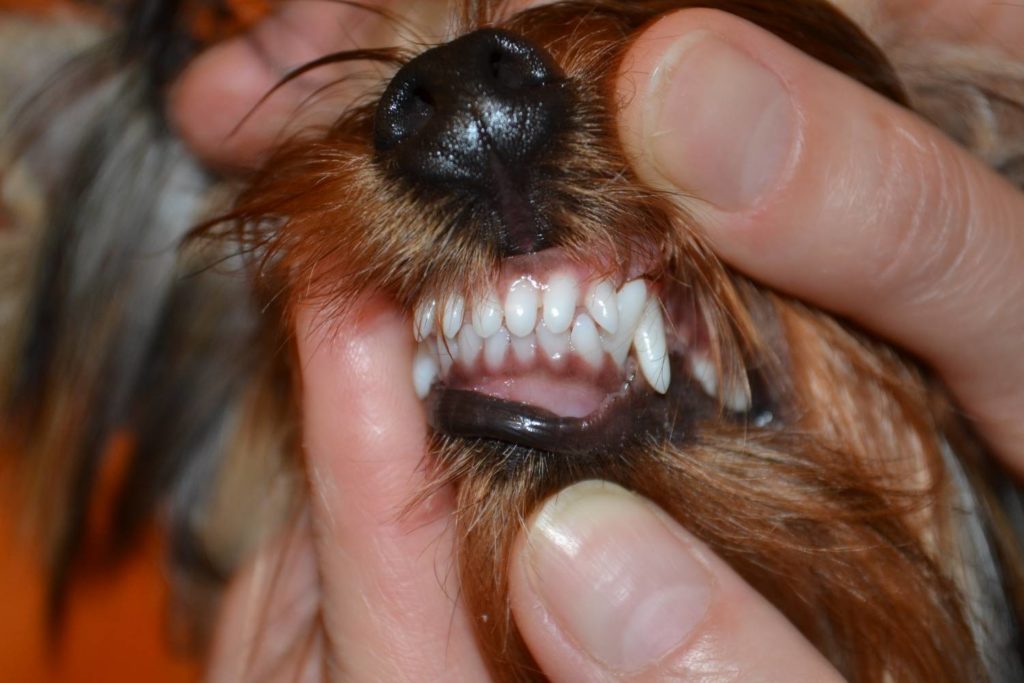
- Gum inflammation;
- Tracheal collapse;
- Retinal dysplasia.
They are also prone to colds, often experience stress or fear. They definitely need special warm clothing in cold weather to maintain their good coat, Yorkshire Terriers should be bathed regularly.
Why Do Yorkshire Terriers Develop Urinary Calculi Disease
Usually, Urinary Calculi Disease (UCD) is considered a feline ailment, but it also develops in dogs. Small breeds are predisposed to it: toy poodles, spaniels, Pekingese. Crystals of salt form in the bladder, obstructing urine flow and causing pain. Symptoms:
- Discomfort during urination;
- The pet urinates on the sofa or bedding (which it didn't do before);
- Not using the litter box for over a day.
If UCD is left untreated, the bladder can rupture, leading to body intoxication and death. Veterinarians note a genetic predisposition to UCD in Yorkshire Terriers. The disease is detected in its early stages only through urine analysis.
Treatment involves dissolving minerals and removing residues, sometimes a temporary catheter is inserted to drain urine. Antibiotics are prescribed for infections, herbal remedies, sufficient fluid intake, and prevention of urine stagnation in the organ are recommended.

Liver Disease in Yorkshire Terriers: What to Do
Unfortunately, this is a consequence of the small size of the pet. Their organs are vulnerable and react sharply to both deficiency and excess of various vitamins and micronutrients. An enlarged liver and portosystemic shunts are observed.
Danger of the Disease
Pathologically developed vessels disrupt the organ's function, affecting metabolism. Therefore, the pet suffers from insufficiency, poorly tolerates any poisoning. Dwarf breeds are genetically predisposed.
Symptoms and Treatment of Portosystemic Shunt
Main symptoms:
- Liver insufficiency;
- Slow growth;
- Vomiting;
- Seizures;
- Apathy.
Blood tests are conducted for diagnosis. Treatment involves the placement of a special constrictor that directs blood through the liver, cleansing it and alleviating symptoms.
Main Eye Diseases in Yorkshire Terriers

Some retinal diseases are hereditary. These include:
- Dysplasia (abnormal retinal development);
- Degeneration (death of its cells);
- Spontaneous detachment.
These are dangerous diseases that can lead to blindness. In the initial stage, the pet has poor vision in darkness and daylight, the fundus becomes cloudy, a white film is visible, and the pupils do not react to light.
Dry eye is often manifested in terriers - a lack of corneal moisture, inflammation of the tear glands, leading to conjunctivitis. Cataracts or glaucoma are provoked by injuries. Effective treatment can only be prescribed by a veterinary ophthalmologist.
Skin Diseases in Yorkshire Terriers
These include allergic dermatitis, mycoses (fungus), ringworm, parasitic infestations. Many are common to other breeds, but Yorkies are particularly prone to allergic reactions.
Symptoms of Allergies in Yorkshire Terriers
Manifested by:
- Hives (red rash on the skin);
- Eye and/or nasal discharge;
- Sneezing;
- Itching;
- Swelling of mucous membranes.
Prolonged contact with the allergen or a large dose of it can lead to anaphylactic shock. The pet may convulse, lose consciousness, swell sharply, and vomit. In such cases, an injection of an antihistamine is administered, and immediate medical attention is required.
Treatment
All allergy symptoms can be managed, complete elimination is impossible. Today, special vaccines are being developed to achieve long-term remission. The main thing is to isolate the Yorkie from the allergen and manage symptoms during the season.
Most Dangerous Diseases for Yorkshire Terriers
If symptoms are overlooked and the condition is allowed to progress, serious harm to health may be inflicted or the likelihood of a fatal outcome may arise.
Musculoskeletal Diseases in Yorkshire Terriers
Associated with fragile bones and weak ligaments. Among them:
- Luxating patellas;
- Open fontanel;
- Elbow dislocation;
- Legg-Calve-Perthes disease or aseptic necrosis of the femoral head.
Yorkshire Terriers can get injured even during jumps and active play. Symptoms are clear: pain, limb deformity, gait disturbance, lameness, muscle weakness.
Dangers of Hypoglycemia
Common in all small breeds. Without noticing weakness, lethargy, apathy, lack of appetite, unsteady gait, or fainting, the owner allows a critical drop in blood sugar levels. It often leads to death, affecting puppies up to 4 months of age the most.
Treatment of Tracheal Collapse in Yorkshire Terriers
Throat spasm and difficulty breathing. Tight collars are avoided, pets are not allowed to jump from a height or even from hands. Signs include coughing, shortness of breath. After examination, medications to dilate the trachea may be prescribed, or surgical treatment may be chosen.
Related Articles
Skin diseases in dogs: red spots and the reasons for their occurrence
Dog paw diseases - fractures, ingrown nails, inflammation. What to do and how to treat?
Ear diseases in dogs. What to do if a dog has ear pain?