Dog paw diseases - fractures, ingrown nails, inflammation. What to do and how to treat?
You can tell that a dog's paw hurts by its behavior: it limps, walks reluctantly, and whimpers. Pain can occur for various reasons.
Yorkshire Terriers
Understanding that a dog's paw hurts can be determined by its characteristic behavior: limping, reluctance to walk and run, whining. Pain can occur for various reasons: from minor injuries to dislocations and fractures. Therefore, the first step is to conduct an examination without causing discomfort to the pet.
Fracture of a Dog's Paw: Treatment and Rehabilitation
Fractures can be:
- Open, when a wound is visible. It shows bone fracture and bone fragments, with bleeding. A bandage should be applied, the broken limb immobilized, and a veterinarian should be called urgently.
- Closed. There are no skin injuries, but an unnatural angle of the bone is visible underneath. The limb should also be immobilized and taken to the doctor.
All medical procedures should be carried out by a specialist! Dogs are put in casts, and the fracture heals. During rehabilitation, it is necessary to create comfortable conditions for the pet to move independently, and if necessary, carry them in your arms.
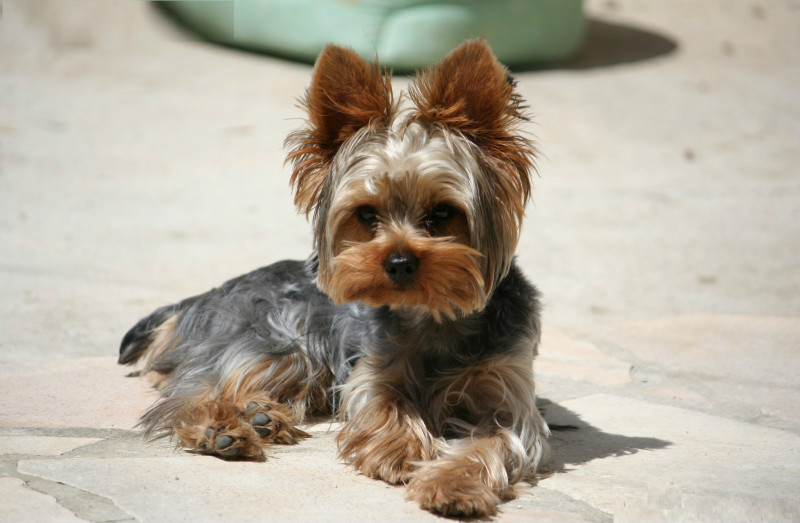
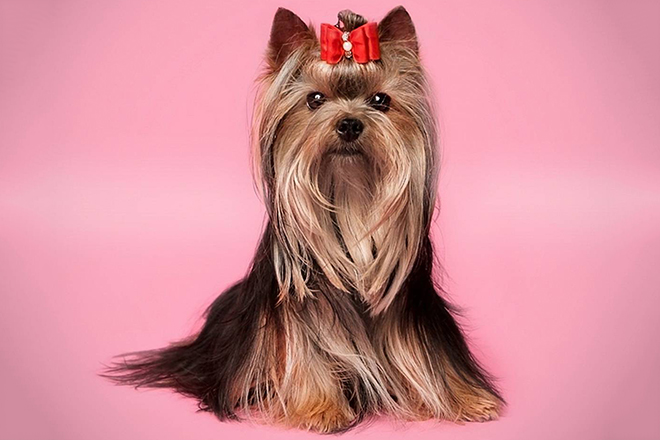
Small breeds often suffer from paw fractures due to their fragile skeleton. Therefore, if you are a Yorkshire Terrier owner, do not allow your pet to jump from the couch, chair, or your arms to avoid dislocations and fractures.
Fracture of a Dog's Paw: Video
Dangers of Paw Injuries
More often, dogs are diagnosed with other diseases and injuries. They are partially caused by breed characteristics or external conditions, sometimes bacteria or infection are the culprits.
Inflammation of the Interdigital Space
Inflammation of tissues on the paws, especially between the toes and paw pads, causes severe discomfort. Causes:
- Long walks on uneven terrain;
- Infection from an open wound;
- Standing on cold asphalt;
- Damp weather.
The pet starts licking the paw frequently, pus may be present. Inflammation should be treated with a disinfectant, apply healing ointment, and possibly aloe vera solution. It is essential to cover it with a protective bandage and temporarily limit the duration of walks (until fully healed).
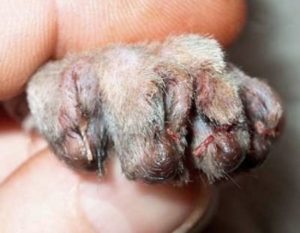
Ingrown Claw
This is an inflammation of the claw pocket, leading to the rejection of the plate itself and the tissues around it. Symptoms:

- Increased temperature;
- Redness, sometimes bluish discoloration;
- Claw splitting or detachment;
- Pain.
Sometimes the condition affects neighboring tissues. Treatment for a dog's paws with an ingrown claw includes antiseptic treatment, warm baths with soothing and disinfecting agents, and a protective bandage. Unfortunately, if the disease is in the advanced stage, the claws will have to be removed.
Elbow Hygroma
Inflammation in the elbow pouch is painless and does not cause lameness. Fluid accumulates there, and the elbow can swell to the size of a chicken egg. It is more common in heavy breeds with skeletal peculiarities due to breeding. However, fluid accumulation can also be triggered by internal inflammation.
In this case, the fluid is drained from the pouch with a syringe, iodine is injected, and positive dynamics are awaited. If the procedure does not yield results, the mucous pouch will have to be surgically removed.
Paw Pad Wounds
The paw pad undergoes significant stress. During walking and playing, it can be injured by sharp stones, sticks, glass. Also, it can get infected due to direct contact with the ground. Sometimes a small stone gets stuck in the paw pad, causing inflammation. How to tell if something is wrong with the paw pad:

- The pet walks cautiously, limping;
- The dog licks the paw frequently;
- It feels hot upon examination, showing signs of injury;
- Pain.
If there is a foreign body, it needs to be found, treated, and removed. In case of uncertainty about the condition, consult a veterinarian. Rest, wound treatment, and healing are necessary. A wounded paw should be covered with a protective bandage during walks.
Is a Dog Chewing Its Paws a Symptom?
If a dog licks its paws after a walk, nibbles its nails slightly - it is practicing hygiene. For the owner, this is a signal to wash the paws more thoroughly or trim the nails.
When paw licking becomes very frequent and noticeable, examine the paw pads for inflammation, wounds, ingrown nails, or cracks. It is recommended to trim the long hair on the paws as it tends to mat.
Another reason for this behavior could be an allergy. It could be contact dermatitis, a reaction to food, new bedding material, etc. In the season, the presence of ticks or fleas between the toes cannot be ruled out.

When a dog constantly chews or sucks on its paw without visible health reasons, consider neurosis. Pets, like humans, experience emotions: they can be scared, nervous, or bored. One way to calm down is to chew or lick the paw, often the hind one.
This behavior indicates psychological disturbances in the pet. Eliminate stress, observe the dog more attentively. If intense licking persists, consult a veterinarian. Sedatives are prescribed for neuroses. If it is not a medical problem, the pet needs to be trained to stop this behavior.