How toxoplasmosis appears and is transmitted in dogs. What to do and how to treat.
If the body's immune defenses are weakened, toxoplasma spread through the blood throughout the body to the lungs, heart, liver, and brain.
Symptoms of Toxoplasmosis in Dogs
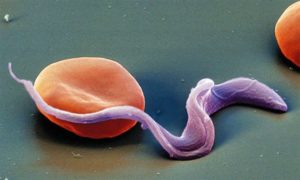
Entering the body, the simplest organism affects the circulatory system. Symptoms include:
- weakness;
- discharge from the nose and eyes;
- poor appetite;
- reddening of mucous membranes.
These symptoms are often mistaken for mild malaise or a cold. Meanwhile, the immune system "encapsulates" the virus and tries to destroy it. If successful, the organism carries the pathogen but shows no signs of it.
If the body's defense capabilities are lowered, toxoplasmas spread through the blood to the lungs, heart, kidneys, liver, brain. There, they multiply and damage the tissue of internal organs. This leads to severe illness, often resulting in death.
How to identify toxoplasmosis in dogs in the acute stage:

- vomiting, diarrhea;
- cough, abundant secretions;
- high temperature;
- seizures;
- fainting, fits;
- paresis, paralysis;
- changes in behavior. Pets die due to disruptions in the functioning of vital organs and the central nervous system.
Diagnosis and Treatment of Toxoplasmosis in Dogs
The presence of microorganisms can only be determined through laboratory tests. At different stages, this includes:
- serology;
- biopsies on mice;
- IFA;
- PCR. In small towns, there may be equipment for only one method, so it is worth taking the biomaterial to a large veterinary center or laboratory. Testing a dog for toxoplasmosis does not always confirm the disease on the first try, so even with a negative result, the test should be repeated. Treatment for toxoplasmosis is comprehensive and works in 3 directions:
- Destroying free parasites in the blood.
- Stimulating the immune system to fight toxoplasmas in cells, encapsulating them.
- Eliminating symptoms and consequences of organ damage. The simplest organism cannot be destroyed with medication; it is put into a non-threatening state, directing the immune system. The pet will be a carrier but will not get sick. Often toxoplasmosis is detected in time, so there is no harm to health. However, if the disease is advanced, organ damage is irreversible. Especially if the individual has a weak immune system in general: this includes young puppies and pets with chronic illnesses. In this case, toxoplasmosis poses a threat to the animal's health.
Infection Routes
The organism lives in raw meat, on the surface of vegetables and fruits, in the soil, water, and also in cat feces. Therefore, it is possible to get infected with toxoplasmosis almost anywhere. Some animals are carriers of toxoplasmas, but their immune system copes with them.
Prevention of the disease:

- Do not feed raw meat. Even after freezing, the organism does not die.
- Wash your pet after walks, especially the paws.
- Do not allow eating food outside.
- Do not let pets roam with stray animals.
- Thoroughly wash vegetables and fruits.
- Do not allow licking hands after cutting meat or drinking blood. Toxoplasmas live in the meat of warm-blooded animals and birds, and are not uncommon even in store-bought meat. Therefore, make sure your pet does not eat carrion.
Can You Get Toxoplasmosis from Dogs: Truth or Myth?
True, but the mode of transmission is specific. Microorganisms do not reproduce sexually in pets' bodies, so they are not present in feces. However, feces can get contaminated with the parasite from cat excrement or bring the organism on their paws from dirt. Therefore, observe hygiene: wash your hands after contact with your pet, and do not allow them to lick your face. Be even more careful if both cats and dogs live in the house. Infection from cats is possible: toxoplasmas multiply in their bodies, so they are present in feces. Clean the litter box promptly and maintain hygiene to prevent the dog from getting infected. Therefore, the answer to whether you can get toxoplasmosis from dogs is clear: you can, if hygiene rules are not followed. Most likely, toxoplasmas are already present in the body, but the immune system prevents their spread. Therefore, it is essential to be responsible not only for the dog's health but also for your own.