Why dogs drool: normal and pathological conditions
If your dog is excessively drooling and experiencing accompanying health issues, it is necessary to see a veterinarian.
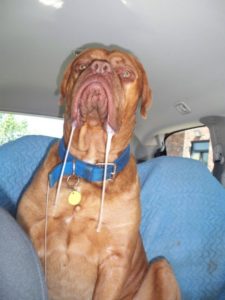
Why a Dog Might Drool in a Normal State
Increased saliva production is considered normal in the following cases:
- Anticipation of food. The body prepares for eating, hence more secretion.
- Foreign object in the mouth.
- Teething in puppies.
- Pregnancy.
- Restoring normal body temperature after active play or stress. Dogs of breeds like Shar Pei, Bulldog, Maltese, German Shepherd, Great Dane, Mastiff tend to drool excessively. Owners need to wipe off the excess moisture to prevent it from accumulating in skin folds, which can lead to skin inflammations. Excessive drooling in dogs with blood, pus, or foul-smelling saliva is the first sign of illness.
Dog Drooling Due to Illness: Causes, Treatment
 There are many conditions that can cause hypersalivation:
- Dental problems;
- Hormonal imbalances;
- Worm infestations;
- Infections;
- Head traumas;
- Epilepsy;
- Cancer;
- Immune system diseases. Unfortunately, diagnosing the condition may require extensive testing. If the symptom worsens and bothers the animal more, a visit to the vet clinic is necessary. Ignoring hypersalivation can lead to serious problems and even sudden death.
When a Dog Loses Appetite and Drools
Refusal to eat indicates discomfort. The pet may find it difficult to eat due to pain in the teeth, cheeks, or throat. Examine the oral cavity for injuries and inflammations. Check the saliva for signs of pus or unnatural odor. Touching the muzzle may be unpleasant, so restrain the animal.
Why a Dog Might Drool After Eating
Excessive drooling is a symptom of food poisoning. Vomiting, diarrhea, fever, lethargy, and thirst may also occur. The saliva will be thick and sticky. The animal should be put on a fasting diet, given plenty of clean water, and administered absorbents like Smecta and Enterosgel from a human first aid kit. If the condition does not improve, seizures occur, or loss of consciousness is suspected, poisoning by chemicals should be considered. Stronger medications may be needed, possibly stomach pumping. The pet's condition needs to be relieved, and a vet should be called (or the pet should be taken to the nearest clinic).
Inflammation of Salivary Glands in Dogs: Symptoms, Treatment
 Pets exhibit the following signs:
- Hypersalivation;
- Swelling under the jaw, on the sides where one or more glands are located;
- Refusal to eat;
- Pain and discomfort. The causes of inflammation vary. It is often due to infections, less commonly tumors in the glands. Ignoring the symptom leads to the proliferation of pathogenic microflora and tissue necrosis. The condition can spread from sick glands to healthy ones, causing new problems. Treatment involves pain relief, cyst or lesion removal, drainage, or removal of necrotic areas. Sometimes complete gland removal may be necessary.
Dog Drooling in Good Health: What to Do
Hypersalivation in pets can be temporary due to stress or even joy. In the first case, wait for recovery after the scare and give a sedative. In the second case, there is nothing to do - it is just a peculiarity of your pet. Excess moisture can be wiped off with a cloth.