Ingrown nail in dogs: what to do, how to treat, causes of ingrowth
The problem of an ingrown nail arises due to the sedentary lifestyle of the pet. It is vital for them to wear down their nails.
Ingrown Nail in Dogs: What to Do, Can You Remove It Yourself
The problem of an ingrown nail arises due to a sedentary lifestyle of the pet. It is vital for them to wear down their nails. This is possible if the dog walks on hard surfaces daily: asphalt, soil, wood. In the conditions of an apartment and short walks, this is impossible, so inactive pets (as well as small breeds) often suffer from ingrown nails.
To understand that the pet is experiencing discomfort, you can observe limping and increased attention to the paws. Dogs often get ingrown nails near the fifth digit as it is the least mobile on the paw. It grows, does not wear down, and curls, then it starts growing into the pad or the skin nearby. In advanced cases, it is not easy to determine the correct end of the nail that needs to be pulled out.
Risks of the condition:
- Discomfort when walking;
- Sores near the nail;
- Infection;
- Painfulness.
Infection that multiplies in the wound can spread to other toes or interdigital spaces. A dog can get injured if it starts running with an ingrown nail. Therefore, the problem should not be ignored.
A shallow ingrown nail can be removed by yourself. Prepare sterile tools (nail scissors, tweezers), cotton wool, bandage, antiseptics (hydrogen peroxide, chlorhexidine). Algorithm:
- Calm the animal down, prepare treats.
- Let the dog lie still.
- Inspect the paw. Treat the area with an antiseptic.
- Take tweezers and carefully pull out a part of the ingrown nail.
- If it is deeply embedded, cut it in the middle with scissors. Try not to touch the blood vessels.
- Pull out the remaining fragment from the pad with tweezers.
- Wipe the area with an antiseptic, apply a bandage.
Inspect the wound daily to prevent infection. If the nail does not come out of the paw, take the animal to the vet. They will advise on the best course of action. Minor violations are corrected without anesthesia. After the procedure, apply a healing ointment and change the bandage. The pad heals quickly under normal conditions.
Ingrown Nails in Dogs. Video.
Preventing Ingrown Nails
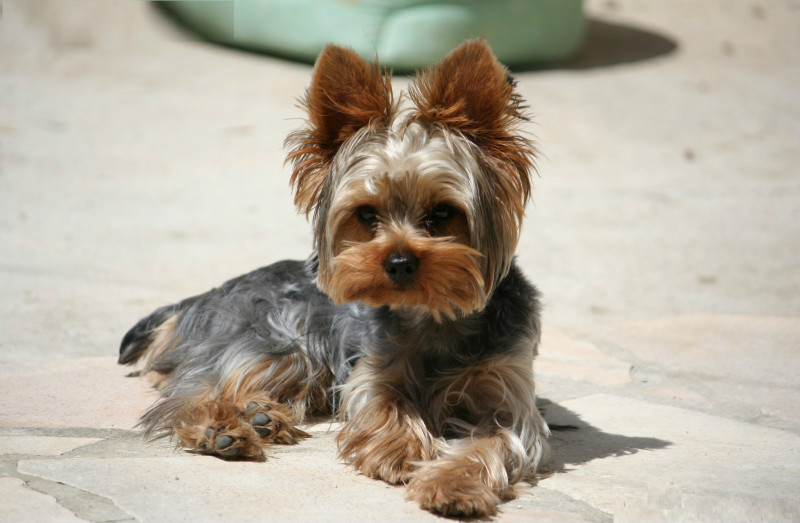
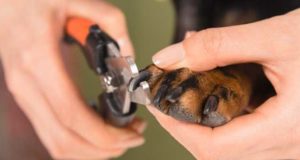
The fifth digit suffers because it does not come into contact with hard surfaces. Therefore, Yorkshire Terriers, Toy Terriers, Chihuahuas should still be walked on the ground. Veterinarians also recommend trimming the nails. Owners can do this themselves by immobilizing the animal and using nail scissors. This service is also provided in veterinary clinics and grooming salons.
If the pet is active, the procedure is only done on the 5th digit, trimming the nail to prevent it from growing in. But be careful: there is a blood vessel in it, if you damage it, the dog will feel pain.
In this case, treat the wound, wipe off the blood residues, and cover the injury with a bandage. Use a special tool called a nail clipper. These are clippers designed for nail trimming.
In extreme cases, owners use makeshift tools, but there is always a risk of causing injury. So, if you are not confident in your abilities or are afraid, take the pet to the vet. The removal procedure is inexpensive, takes about 10-15 minutes, and is performed without anesthesia or sedation for calm dogs.