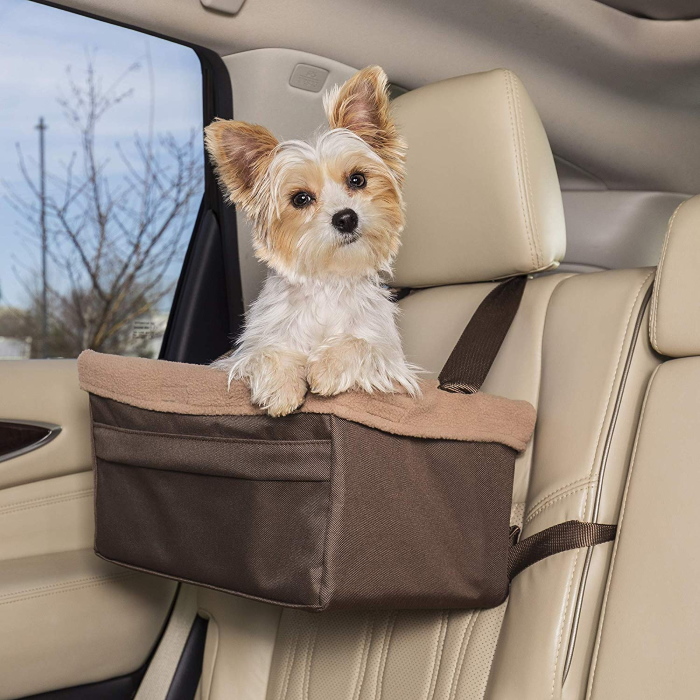
Why does a dog tuck its tail: fear or illness?
Through the tail, the owner can understand a lot about their pet, as it is the only way to understand a dog's emotion: if it moves from side to side, the animal
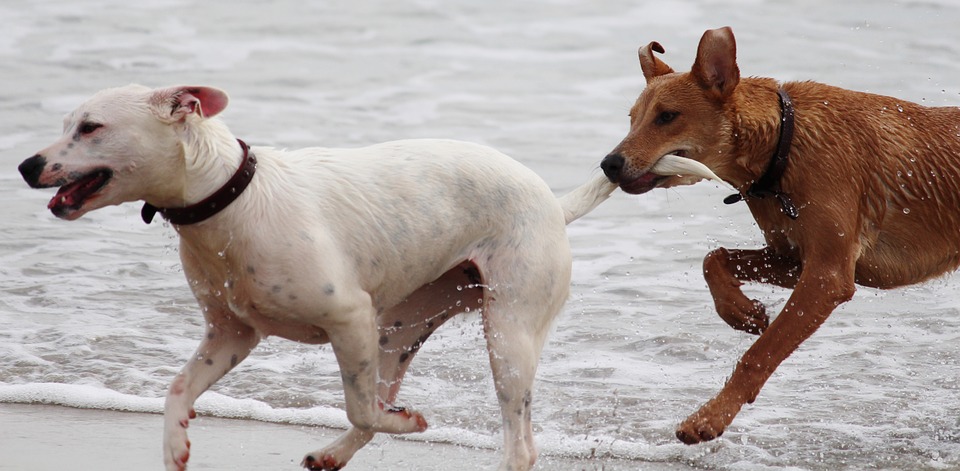
Small Dog Tucks Tail and Trembles
Small breeds have a more sensitive nervous system than larger ones. Therefore, they are considered to be more nervous, easily scared, and very attached to their owner. Sometimes it is the owner's fault, who literally does not let the dog out of their hands.
Therefore, when the owner needs to leave, go away for a long time, the dog experiences stress. The dog trembles and tucks its tail because it feels unprotected. The same signs are observed when frightened.
What to do if a dog starts tucking its tail on a walk:
- Keep the pet closer to you, give a sense of security;
- Avoid places where other animals gather (especially large and aggressive dogs);
- Engage in training.
The animal can be disturbed by traumatic memories from the past or recent impressions. If the fear is only shown towards others, it indicates a lack of socialization. Therefore, if you plan to introduce your pet to society, from an early age, you should familiarize it with other dogs and people.

A tucked tail and trembling can occur when scared or shocked. Many are afraid of loud sounds of thunder, lightning, banging, etc. This is a normal condition if it is short-term. Constant stress leads to behavioral disorders.
Diseases that Cause a Dog to Tremble and Lethargically Tuck Its Tail
A lowered tail due to illness is a common occurrence. The pet shows that it is depressed or unwell. Several reasons:
- Decrease in blood sugar. It can happen to recently whelped bitches in the first days after giving birth. It is necessary to normalize heat exchange, provide rest, give a little sweet water. It is better to call a veterinarian or get advice over the phone.
- Toothache is incomprehensible to a dog; it feels like it is not in control of its body. Therefore, it sulks and tucks its tail. It is not always possible to determine the cause on your own. The same reaction can occur with migraines.
- Neoplasms in the spine. It disrupts the normal functioning of the central nervous system, seizures begin, unsteady gait or paralysis appears. Sometimes the tail is paralyzed, or it moves incorrectly.
When a symptom appears, always pay attention to the general condition of your pet. A serious illness may be hidden behind this, so timely assistance should be provided.
Reasons Why a Dog Tucks Its Tail and Hunches
They are associated with spinal pathologies, congenital or acquired. The first is a consequence of breeding. A tucked tail in puppies appears due to genetic mutations, fusion of vertebrae, or frequent cases of the bitch. She produces weak offspring with defects.
Sometimes it is only an aesthetic flaw that does not hinder the puppy's life. But it is not recommended to breed it, and it is considered a defect at exhibitions. This problem may only occur in purebred dogs: in a natural environment, all weak individuals perish.
Acquired pathologies arise from injury, illness, or age. Disc displacement, nerve compression, fracture are the most common causes. Owners should ensure that the pet does not get hit by a car, attacked by a larger dog. Only a specialist can make an accurate diagnosis.

For some breeds, a tucked tail is normal. These include Greyhounds, Whippets, and Salukis. But if a dog starts tucking its tail and health problems arise, it indicates a pathology.