What cereals are suitable for dogs? Balanced dog nutrition.
What grains to feed a dog? Which grain is better to give to a dog, and which grain is better not to feed your pet with. Proper porridge is healthy food for your beloved pet!
Page Content
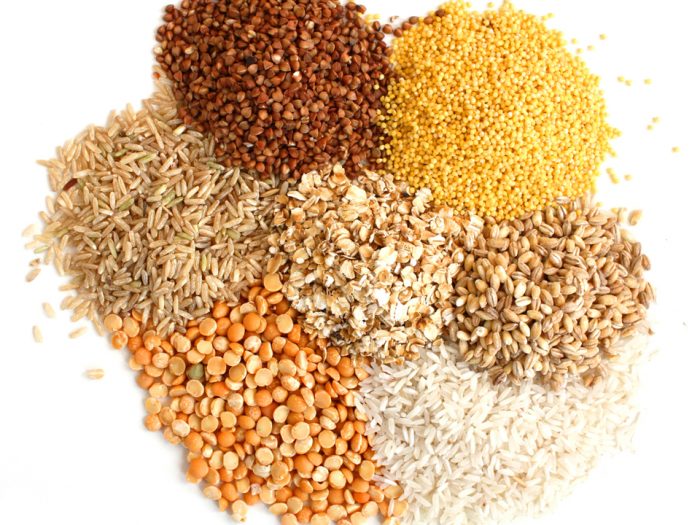
What cereals can be given to dogs?
- Buckwheat
- Rice
- Oats
What cereals are not suitable for dogs?
- Millet
- Semolina
- Pearl barley
- Wheat
- Barley
- Corn
- Beans
Dog's Nutrition Balance
The shaggy friend is a carnivorous animal, although its body requires a certain amount of greens, vegetables, and vitamins. The natural need for meat does not require the owner to feed the animal with select meat. Second-grade meat, offal such as kidneys and liver are quite suitable. Mammals need dairy products of medium fat content. Most treats do not require long cooking. However, feeding raw protein to a pet can infect them.
Which cereals are suitable for dogs? Cereal dishes in boiled form are not natural for this class. Easily digestible carbohydrates are extremely undesirable for their bodies. They disrupt the intestinal microflora, lower resistance. The resulting dysbiosis will lead to allergic reactions, obesity. Although complete abandonment of cereals will not be an ideal guarantee of full health. The secret of well-being lies in the competent combination of any components. Over the centuries of cohabitation between humans and domesticated animals, the latter had to get used to many types of food. A true owner always knows which cereals are suitable for dogs and which are contraindicated.
What cereals can be given to dogs?
 Sometimes veterinarians recommend switching a friend to a special diet, where boiled cereals are not the last place. The answer to the question - "which cereals can be boiled for dogs" largely depends on the breed and characteristics of the pet.
Buckwheat
It is quickly absorbed, and the feeling of fullness lasts a long time. Even after cooking, its nutritional value is not lost. But there is no need to pre-fry it. Buckwheat speeds up metabolism, improves the work of the heart and blood vessels, removes excess weight, resists allergies, and low immunity. The food strengthens the bones and teeth of the animal, it is beneficial after surgeries and illnesses. There is no need to add salt. Lunch is cooked in a ratio of one part buckwheat to one and a half parts water. An alternative option is to pour the ingredient with boiling water overnight.
Rice
Can dogs eat rice? The grain is rich in calcium, magnesium, iron. It contains many vitamins and fatty acids. Rice is an excellent adsorbent. It absorbs toxins and removes them from the body. This is an excellent option if the pet has diarrhea, signs of poisoning and intoxication. The food is a binding component, reducing pain. Its enveloping properties work wonders for various diseases. But playing with rice is foolish - it contains a lot of starch, which leads to constipation. It should not be fed to animals with diabetes, obesity. Preference is given to unpolished grains - they contain less starch! Before cooking, rinse them, soak in water. Cooking is done without salt and seasonings. If dinner turns out thick - add oil!
Oats
It is beneficial in its usual form, and flakes will not harm either. The feed is rich in vitamins (A, E, and B), it contains a decent amount of macro- and microelements (calcium, sodium, magnesium). There are plant proteins and fats. Oatmeal will perfectly restart the digestive system after a long period of fasting, illness. It is a remedy for diarrhea and vomiting. The fiber envelops the intestines, significantly reduces pain and inflammatory processes. But there are also negatives, some dogs have been observed to have allergies and gastrointestinal disorders. Before the first time, the animal must be given a trial dose. If no side effects are found - increase the portion. But never overdo it! Preference should be given to whole grains, not flakes. To reduce the cooking time, it is recommended to soak the initial component.
What cereals are not suitable for dogs?

Millet
It is rich and useful. But it is advisable to completely exclude it from the dog's diet. The predator's body poorly digests it and often causes allergies. Even mixing it will negatively affect the well-being of the four-legged friend.
Semolina
This food is considered useless for both the furry friend and us. It consists entirely of carbohydrates, it is only useful when there is an urgent need to gain weight. There are no rational components in semolina. It can be used to feed premature puppies, sick individuals. Its intake will not cause any reaction in gastrointestinal diseases. Semolina is strictly contraindicated for dogs with excess weight, suffering from diabetes.
Pearl barley
This is barley that has undergone additional processing - grinding and polishing. This leads to poor absorption in the animal's body. It is unfortunate that pearl barley contains a large number of vitamins and microelements. It clearly surpasses many of its food counterparts in terms of "usefulness". Moreover, pearl barley can cause constipation and allergies.
Wheat
It is rich not only in vitamins, iodine, and zinc. It contains magnesium and other trace elements, but such a dish is not suitable for all dogs. The four-legged body poorly digests it, but its consumption does not lead to intestinal blockage. Such a meal can be given in extreme cases. If there are constipation issues, gastrointestinal problems - feeding with wheat is contraindicated! A large amount of carbohydrates will harm dogs with a sedentary lifestyle. If the pet is obese, diabetic - the product is completely prohibited. But if the animal is absolutely healthy - you can give it, mixing a few vegetables into the portion. Fiber will not allow the intestines to clog.

Barley
It has an excessive amount of vitamins, a huge number of micro- and macroelements. The basis of the product is silicon and fluorine. But the increased satiety is not a reason for daily consumption. More than half of the components are not absorbed. But it can be mixed with rice, buckwheat. Animals are fed only with fresh food, cooled to room temperature. If the food stands for half a day, it will turn into a sticky mess: the stomach will not cope with it!
Corn
It is harmful! The feed has no nutritional value, it is poorly digested, forms clumps, moves slowly through the gastrointestinal tract. Sometimes such a practice led to intestinal twisting. If the pet has obvious food digestion problems, they will definitely worsen after such a meal. An alternative is to give the dog a small fresh cob. But be sure to make sure that the core is not eaten. And do not be surprised when you find undigested grains in the feces.
Beans
This product is under a special taboo. Beans, dried peas, and other beans are prohibited. The animal lacks enzymes to digest and break down the food. But due to the accumulated gases, the animal's stomach will swell and bother for a long time. The poor thing will feel sharp colic, bloating. The overall peristalsis will be disrupted. And constipation will become chronic. As an exception, you can give the dog a few green, fresh pea pods.
In conclusion, which cereals are dangerous for dogs: it is forbidden to feed mammals with corn, barley, pearl barley, wheat, semolina, and millet porridge.
Dog's Nutrition Balance
Veterinarians do not recommend adding seasonings. Be careful with oil - excess fat is harmful to dogs. But plain porridge is also not desirable. An excellent addition to food is vegetables. They contain fiber, which improves gastrointestinal motility. Animals are given carrots and beets, pumpkins and peppers are beneficial. Potatoes, broccoli, and cauliflower are suitable in small doses. Onions and garlic are strictly contraindicated. As for meat, preference is given to beef - it is not fatty and will not cause allergies (as chicken does). A good choice is rabbit, turkey, and horse meat. Use freezing for disinfection purposes. Remember, which cereals to give a dog: rice, oats, and buckwheat.
FAQ (Frequently Asked Questions): Question: How to cook porridge for a dog correctly? Answer: Buckwheat groats are mixed in a saucepan and poured with water or meat, vegetable broth so that the liquid is twice the amount of groats. Cook the porridge until ready, evaporating the liquid, and, covering it with a lid, let it infuse. Rinse the rice groats, then pour the prepared rice into boiling water and cook for 30-35 minutes. Then cover the porridge and let it infuse. Broth, vegetables, and meat are added to the finished dish. Pour wheat groats into boiling water or broth and cook for a long time to ensure that the grains are well cooked. Oatmeal - to preserve all the mineral substances, it is better not to cook the flakes but to infuse them. Pour hot water or broth over the flakes, wrap them up, and let them infuse.